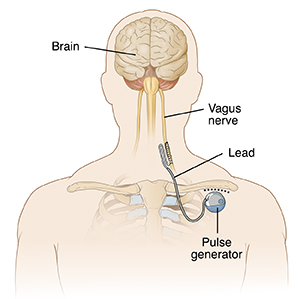
Vagus Nerve Stimulation (VNS) therapy is a neuromodulation technique where electrical impulses are delivered to the vagus nerve to influence brain activity. It is approved and used for treating several conditions, primarily neurological and psychiatric disorders.
Diseases Treated with VNS Therapy
Neurological Disorders
1. Epilepsy: FDA-approved for drug-resistant epilepsy. , Reduces the frequency and severity of seizures in refractory epilepsy.
2. Migraine: Non-invasive VNS (nVNS) devices help manage and prevent migraines by modulating pain pathways.
3. Cluster Headaches: nVNS is effective in acute treatment and prevention of cluster headaches.
4. Alzheimer’s Disease (Experimental): Investigated for improving memory and cognitive decline in early-stage Alzheimer’s.
Psychiatric Disorders
1. Treatment-Resistant Depression (TRD): FDA-approved for major depressive disorder that does not respond to medication or psychotherapy.
2. Anxiety Disorders: Studies suggest it may alleviate symptoms of generalized anxiety and panic disorders.
3. Post-Traumatic Stress Disorder (PTSD): Experimental use shows promise in reducing hyperarousal and intrusive symptoms.
Inflammatory and Autoimmune Diseases
1. Rheumatoid Arthritis: Reduces inflammation by modulating the immune response via the cholinergic anti-inflammatory pathway.
2. Crohn’s Disease: Helps manage symptoms by reducing gut inflammation through vagal stimulation.
Cardiovascular Conditions
1. Heart Failure: Improves heart rate variability and reduces symptoms of heart failure in some patients.
2. Atrial Fibrillation: Experimental studies suggest benefits in regulating heart rhythm.
Metabolic Disorders (Experimental):
1. Obesity: May regulate appetite and metabolic control by influencing gut-brain communication.
How VNS Therapy Works
Electrical impulses are delivered via an implanted device or a non-invasive handheld device.
Stimulates the vagus nerve, which connects the brain to key organs like the heart, lungs, and gut.
Modulates brain regions involved in mood, pain, and autonomic function.
Success Rates
Effective for up to 50–70% of patients with refractory epilepsy.
Reduces symptoms in 20–40% of treatment-resistant depression cases.
Improves inflammatory conditions in select patients.
Limitations and Side Effects
Potential Side Effects:
Hoarseness, cough, throat pain, and difficulty swallowing.
Rare surgical risks, such as infection or lead displacement.
Not Suitable For: Patients with pacemakers or severe cardiovascular issues.
VNS therapy is a versatile and evolving treatment option that offers hope for patients with conditions resistant to conventional therapies.