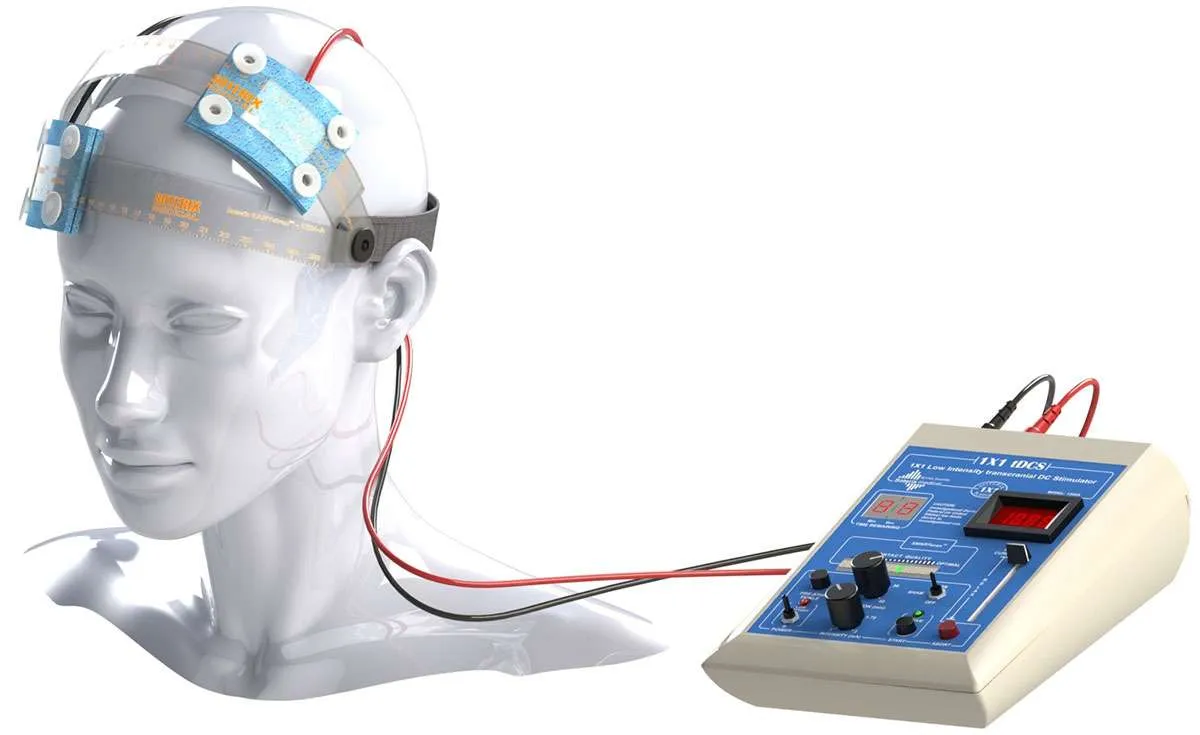
Transcranial Direct Current Stimulation (tDCS) is a non-invasive brain stimulation technique that applies a low electrical current to specific brain regions to modulate neural activity. It is used to treat a variety of neurological, psychiatric, and cognitive disorders. Below are the diseases and conditions tDCS can help treat:
Neurological Disorders
1. Stroke Rehabilitation: Improves motor function and speech recovery in post-stroke patients. Enhances neuroplasticity to aid rehabilitation.
2. Chronic Pain: Treats conditions like fibromyalgia, migraines, and neuropathic pain by modulating pain pathways.
3. Parkinson’s Disease : Reduces motor symptoms like rigidity and bradykinesia, as well as cognitive impairments.
4. Epilepsy: Helps reduce seizure frequency and severity by stabilizing neuronal excitability.
5. Multiple Sclerosis (MS): Alleviates fatigue and cognitive impairments associated with MS.
Psychiatric Disorders
1. Major Depressive Disorder (MDD): FDA-approved for treatment-resistant depression, particularly when combined with antidepressants.
2. Anxiety Disorders: Calms overactive brain circuits associated with anxiety, panic disorder, and generalized anxiety disorder (GAD).
3. Post-Traumatic Stress Disorder (PTSD): Reduces hyperarousal and improves emotional regulation.
4. Obsessive-Compulsive Disorder (OCD): Helps manage intrusive thoughts and compulsions.
5. Schizophrenia: Addresses symptoms like auditory hallucinations and cognitive deficits.
Cognitive and Developmental Disorders
1. Alzheimer’s Disease: Improves memory and cognitive functions in early stages of the disease.
2. Attention Deficit Hyperactivity Disorder (ADHD): Enhances attention, focus, and impulse control.
3. Autism Spectrum Disorder (ASD): Experimental use for improving social communication and reducing repetitive behaviors.
4. Dyslexia: Improves reading and language processing skills.
Other Conditions
1. Tinnitus: Reduces perception of phantom ringing sounds by targeting auditory pathways.
2. Sleep Disorders: Regulates sleep patterns and alleviates insomnia.
3. Addiction: Reduces cravings and helps manage relapse in substance abuse disorders.
4. Post-Concussion Syndrome: Improves cognitive and emotional symptoms following traumatic brain injury.
Advantages
Safe and non-invasive with minimal side effects. Can be combined with physical therapy, medications, or psychotherapy. Portable and cost-effective compared to other brain stimulation techniques.
Limitations
Not effective for all patients. Requires multiple sessions for significant results. Long-term effects are still under investigation.
Ongoing research continues to explore its applications for new conditions, making tDCS a promising tool in modern medicine.