
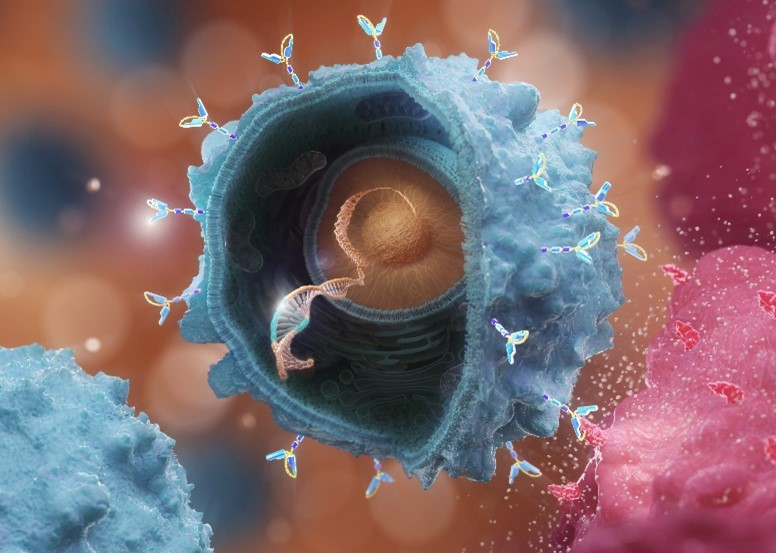
Synthetic Immunotherapy is a transformative approach that enhances or modifies the immune system to treat various chronic conditions, diseases, disorders, and syndromes. This therapy utilizes synthetic biological components like engineered immune cells, antibodies, or signaling molecules to combat diseases. Below is a comprehensive list of conditions that can be addressed through synthetic immunotherapy and their associated symptoms:
1. Autoimmune Diseases
Synthetic immunotherapy can help regulate or suppress overactive immune responses.
Rheumatoid Arthritis: Joint pain, swelling, stiffness, and systemic inflammation.
Systemic Lupus Erythematosus (SLE): Fatigue, joint pain, skin rashes, kidney problems.
Multiple Sclerosis (MS): Muscle weakness, numbness, vision problems, coordination issues.
Psoriasis and Psoriatic Arthritis: Red, scaly skin patches, joint pain, and stiffness.
Inflammatory Bowel Diseases (IBD):
Crohn’s Disease: Abdominal pain, diarrhea, weight loss, intestinal inflammation.
Ulcerative Colitis: Bloody stools, abdominal cramps, fatigue.
2. Cancer
Synthetic immunotherapy can target and destroy cancer cells by enhancing the immune system’s ability to recognize them.
Leukemia: Fatigue, frequent infections, easy bruising, and bleeding.
Lymphoma: Enlarged lymph nodes, fever, night sweats, weight loss.
Melanoma: Dark, changing moles, rapid skin lesion growth.
Non-Small Cell Lung Cancer: Persistent cough, chest pain, weight loss.
Breast Cancer: Lump in the breast, skin dimpling, nipple discharge.
Glioblastoma (Brain Tumor): Headaches, nausea, seizures, cognitive decline.
3. Chronic Viral Infections
Synthetic immunotherapy boosts immune responses to eliminate chronic viral infections.
HIV/AIDS: Weak immune system, frequent infections, weight loss, fever.
Hepatitis B and C: Liver damage, jaundice, abdominal pain, fatigue.
Human Papillomavirus (HPV): Warts, increased risk of cervical and throat cancers.
4. Allergic and Inflammatory Disorders
Synthetic immunotherapy can modulate immune responses to allergens and inflammatory triggers.
Asthma: Shortness of breath, wheezing, chest tightness, chronic coughing.
Eczema (Atopic Dermatitis): Itchy, inflamed skin, redness, thickened patches.
Chronic Rhinosinusitis: Nasal congestion, facial pressure, reduced sense of smell.
Anaphylaxis (Severe Allergies): Difficulty breathing, swelling, rapid drop in blood pressure.
5. Infectious Diseases
Synthetic immunotherapy can boost the immune system to clear persistent infections.
Tuberculosis (TB): Chronic cough, fever, weight loss, night sweats.
Cytomegalovirus (CMV) Infections: Fever, fatigue, swollen glands, liver issues.
Zoonotic Diseases (e.g., Lyme Disease): Fever, fatigue, joint pain, neurological complications.
6. Genetic Immune Deficiency Disorders
Synthetic immunotherapy can replace or repair components of a faulty immune system.
Severe Combined Immunodeficiency (SCID): Frequent severe infections, failure to thrive.
Chronic Granulomatous Disease: Persistent infections, inflammation of skin and internal organs.
Hyper IgE Syndrome (Job Syndrome): Eczema, recurrent skin infections, pneumonia.
7. Metabolic and Endocrine Disorders
Synthetic immunotherapy can reduce immune-mediated damage to organs or improve metabolic function.
Type 1 Diabetes: Excessive thirst, frequent urination, weight loss, fatigue.
Hashimoto’s Thyroiditis: Fatigue, weight gain, sensitivity to cold, hair thinning.
Graves’ Disease: Weight loss, rapid heartbeat, bulging eyes, anxiety.
8. Neurodegenerative and Neurological Disorders
Synthetic immunotherapy can help reduce inflammation and protect nervous tissue.
Alzheimer’s Disease: Memory loss, confusion, difficulty with daily tasks.
Parkinson’s Disease: Tremors, slowed movement, muscle stiffness, balance problems.
Chronic Inflammatory Demyelinating Polyneuropathy (CIDP): Muscle weakness, numbness, tingling.
9. Cardiovascular Diseases
Synthetic immunotherapy can address inflammation and abnormal immune responses in cardiovascular conditions.
Atherosclerosis: Chest pain, shortness of breath, heart attack risk.
Rheumatic Heart Disease: Heart murmurs, fatigue, chest discomfort, swelling.
Myocarditis: Chest pain, fatigue, palpitations, shortness of breath.
10. Respiratory Diseases
Synthetic immunotherapy can target immune-mediated lung damage and enhance respiratory function.
Chronic Obstructive Pulmonary Disease (COPD): Breathlessness, chronic cough, frequent respiratory infections.
Pulmonary Fibrosis: Shortness of breath, dry cough, fatigue.
Sarcoidosis: Shortness of breath, persistent cough, chest pain, skin nodules.
11. Skin Disorders
Synthetic immunotherapy can reduce inflammation and repair damaged skin.
Epidermolysis Bullosa (Butterfly Skin Disease): Fragile skin, blistering, scarring.
Vitiligo: Loss of skin pigmentation, patchy discoloration.
Severe Acne: Chronic inflammation, scarring, nodular lesions.
12. Rare Genetic Syndromes
Synthetic immunotherapy can address the immune aspects of rare syndromes.
Wiskott-Aldrich Syndrome: Eczema, bleeding tendencies, recurrent infections.
X-Linked Agammaglobulinemia (XLA): Recurrent infections, sinusitis, pneumonia.
Hyper IgM Syndrome: Chronic diarrhea, severe bacterial infections, liver inflammation.
13. Chronic Pain and Fibrotic Conditions
Synthetic immunotherapy can regulate immune responses to alleviate chronic pain and reduce tissue scarring.
Fibromyalgia: Chronic pain, fatigue, sleep disturbances.
Systemic Sclerosis (Scleroderma): Thickened skin, joint pain, organ fibrosis.
14. Post-Transplant Complications
Synthetic immunotherapy can prevent organ rejection and treat graft-versus-host disease.
Chronic Graft-Versus-Host Disease (GVHD): Skin rashes, liver dysfunction, gastrointestinal issues.
Transplant Rejection: Organ dysfunction, fever, swelling, pain.
15. Chronic Fatigue Syndrome (CFS/ME)
Symptoms: Persistent fatigue, muscle pain, brain fog, unrefreshing sleep.
Conclusion
Synthetic immunotherapy holds immense promise for treating a broad spectrum of chronic conditions by either enhancing or regulating immune system responses. While research is ongoing, many applications have already shown significant clinical success, revolutionizing the treatment landscape for previously untreatable conditions.