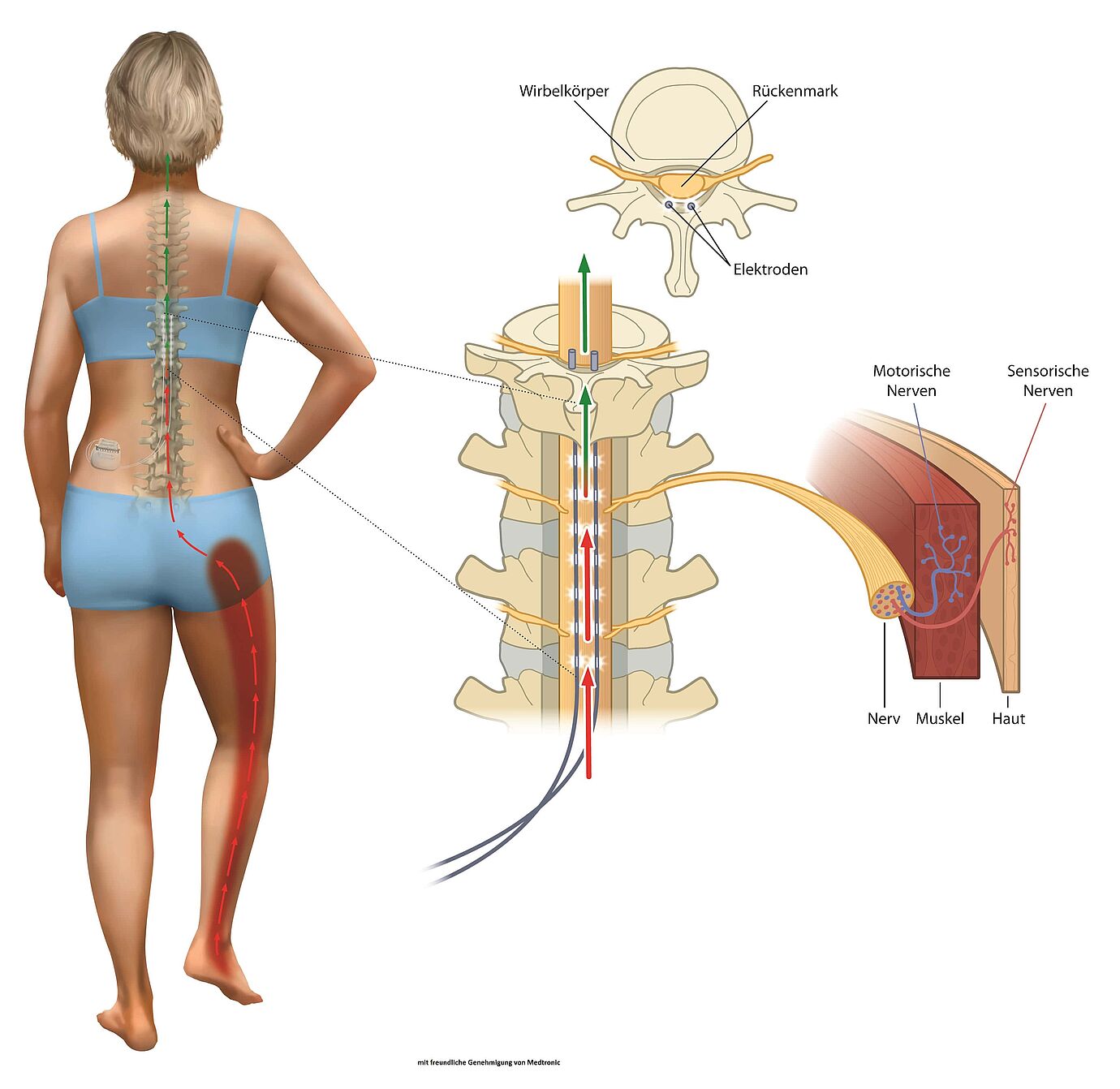
Spinal Cord Stimulation (SCS) therapy is a minimally invasive treatment that uses electrical impulses to manage chronic pain and certain neurological conditions. It involves implanting a device that delivers electrical signals to the spinal cord, interfering with pain signals before they reach the brain. Below are the diseases and conditions that can be treated with SCS therapy:
Chronic Pain Conditions
1. Failed Back Surgery Syndrome (FBSS): Persistent pain after spinal surgery, often in the lower back or legs.
2. Complex Regional Pain Syndrome (CRPS): Severe, chronic pain in a limb caused by nerve or tissue damage.
3. Neuropathic Pain: Pain due to damaged nerves, such as diabetic neuropathy or post-herpetic neuralgia.
4. Radicular Pain: Pain radiating from the spine to the legs or arms, such as in sciatica.
5. Chronic Neck and Back Pain: Often due to degenerative disc disease or spinal stenosis.
Ischemic Pain
1. Peripheral Artery Disease (PAD): Pain due to poor blood flow in the limbs. SCS improves blood flow by modulating the sympathetic nervous system.
2. Refractory Angina: Chronic chest pain unresponsive to medication or surgery.
Spinal Cord Injuries
1. Incomplete Spinal Cord Injuries: Helps restore some sensory or motor functions by stimulating specific spinal pathways.
Other Applications
1. Multiple Sclerosis (MS): Reduces spasticity and pain caused by nerve damage.
2. Arachnoiditis: Manages inflammation-induced nerve pain in the spine.
3. Phantom Limb Pain: Relieves pain experienced after limb amputation.
4. Cancer Pain: Used as an adjunct to palliative care in managing severe cancer-related pain.
Effectiveness
Pain Reduction: Provides 50–70% relief for most patients. Improved Functionality: Enables better mobility and quality of life. Reduced Medication Dependency: Can decrease reliance on opioids and other painkillers.
Limitations and Side Effects
Potential Side Effects: Surgical complications (infection, bleeding). Device malfunction or lead migration. Temporary tingling or discomfort.
Not Suitable For: Patients with pacemakers or coagulation disorders. Certain psychiatric conditions like severe depression.
SCS is a highly effective therapy for chronic pain and ischemic conditions, especially when traditional treatments fail. It is increasingly recognized as a safe and versatile option for improving quality of life in pain management.