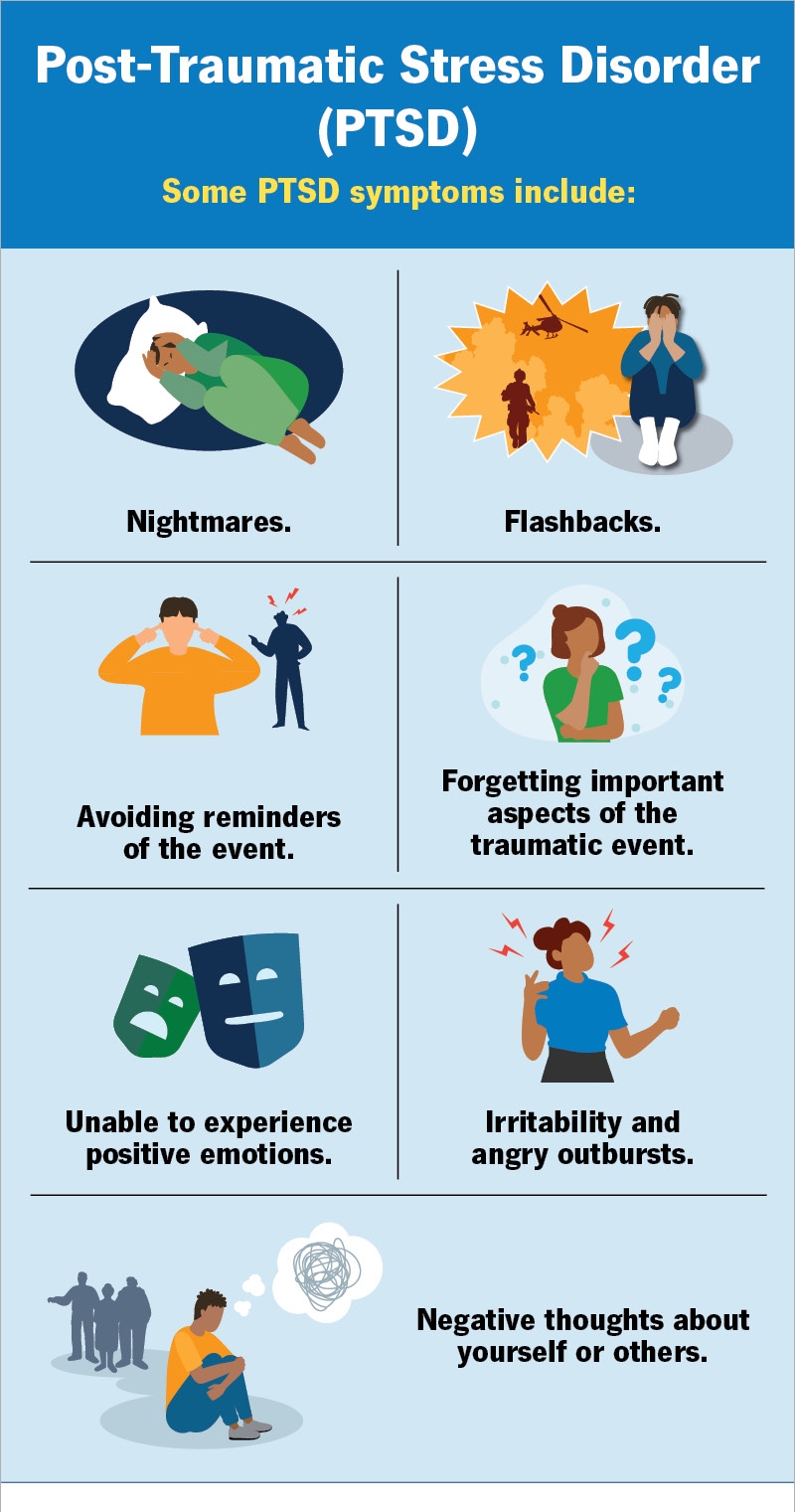
Transcranial Magnetic Stimulation (TMS) is a non-invasive therapy that can help treat Post-Traumatic Stress Disorder (PTSD) by targeting brain regions associated with trauma-related symptoms. It works by modulating neural activity to improve mood regulation, reduce hyperarousal, and enhance emotional processing.
Mechanism of Action
1. Targeting the Prefrontal Cortex: TMS primarily stimulates the dorsolateral prefrontal cortex (DLPFC), which plays a critical role in emotional regulation, decision-making, and working memory.
PTSD patients often have reduced activity in this area, contributing to impaired coping mechanisms.
2. Regulating the Amygdala: The amygdala, a brain region involved in fear and stress responses, is overactive in PTSD. TMS indirectly reduces its hyperactivity by enhancing DLPFC control.
3. Enhancing Neuroplasticity: TMS promotes changes in neural connections, helping the brain rewire and process trauma-related memories more effectively.
4. Balancing Neurotransmitters: Increases levels of neurotransmitters like serotonin and dopamine, which are often dysregulated in PTSD.
Evidence of Effectiveness
High-frequency rTMS over the left DLPFC has been shown to reduce PTSD symptoms such as intrusive thoughts, hypervigilance, and emotional dysregulation.
Studies report significant improvement in patients resistant to traditional therapies like medications and psychotherapy.
A 2021 meta-analysis showed that TMS has a moderate-to-high efficacy in reducing PTSD severity scores when applied over multiple sessions.
Advantages
Non-invasive and drug-free. Minimal side effects compared to medications. Can be combined with psychotherapy (e.g., cognitive-behavioral therapy) for enhanced benefits.
Limitations
Not effective for all patients; response varies. Requires multiple sessions (e.g., 20–30 sessions over 4–6 weeks). Long-term benefits may require maintenance sessions.
Side Effects
Mild headaches or scalp discomfort. Rare cases of dizziness or seizure in patients with predisposing factors.
TMS is increasingly being adopted for PTSD treatment, especially for individuals who do not respond well to standardapproaches, and ongoing research aims to optimize its efficacy.