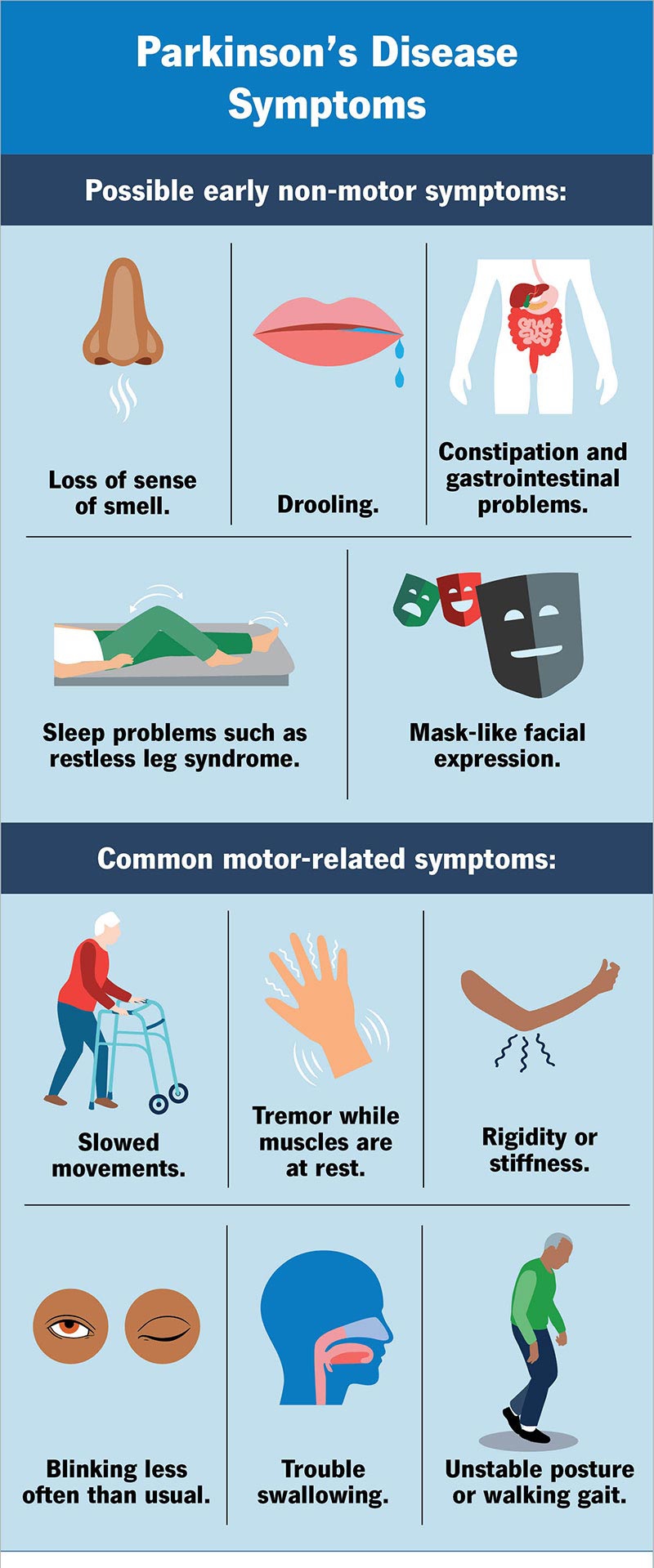
Transcranial Magnetic Stimulation (TMS) therapy can help manage Parkinson’s disease (PD) by stimulating specific brain regions involved in motor and non-motor functions. It is not a cure but an adjunct treatment aimed at alleviating symptoms.
How TMS Works in Parkinson’s Disease
1. Stimulating the Motor Cortex: TMS targets the motor cortex to improve motor function, reducing rigidity, bradykinesia (slowness of movement), and tremors. It increases cortical excitability, which is often reduced in Parkinson’s due to disrupted neural signaling.
2. Regulating the Basal Ganglia-Thalamocortical Circuit: PD involves abnormal activity in the basal ganglia, a brain area critical for movement control. TMS can rebalance this circuit by altering neural activity.
3. Improving Neuroplasticity: TMS enhances the brain’s ability to form new connections, potentially compensating for the loss of dopamine-producing neurons.
4. Addressing Non-Motor Symptoms: TMS applied to the prefrontal cortex can improve cognitive functions, mood (depression, anxiety), and sleep disturbances, common in PD.
Evidence and Effectiveness
Studies show repetitive TMS (rTMS) can improve motor symptoms, particularly when combined with physical therapy.
Low-frequency stimulation (inhibitory) is often used to reduce overactive areas, while high-frequency stimulation (excitatory) targets underactive regions.
FDA-approved for treating depression in PD patients, and ongoing research explores its broader benefits.
Limitations
Symptom relief varies by individual and depends on disease progression. TMS requires multiple sessions over weeks or months for significant effects.
Side Effects
TMS is generally safe, but side effects can include mild headaches, scalp discomfort, or rare seizures.
Future Potential
TMS, in combination with other therapies like deep brain stimulation (DBS) or medication, shows promise in improving the quality of life for PD patients.