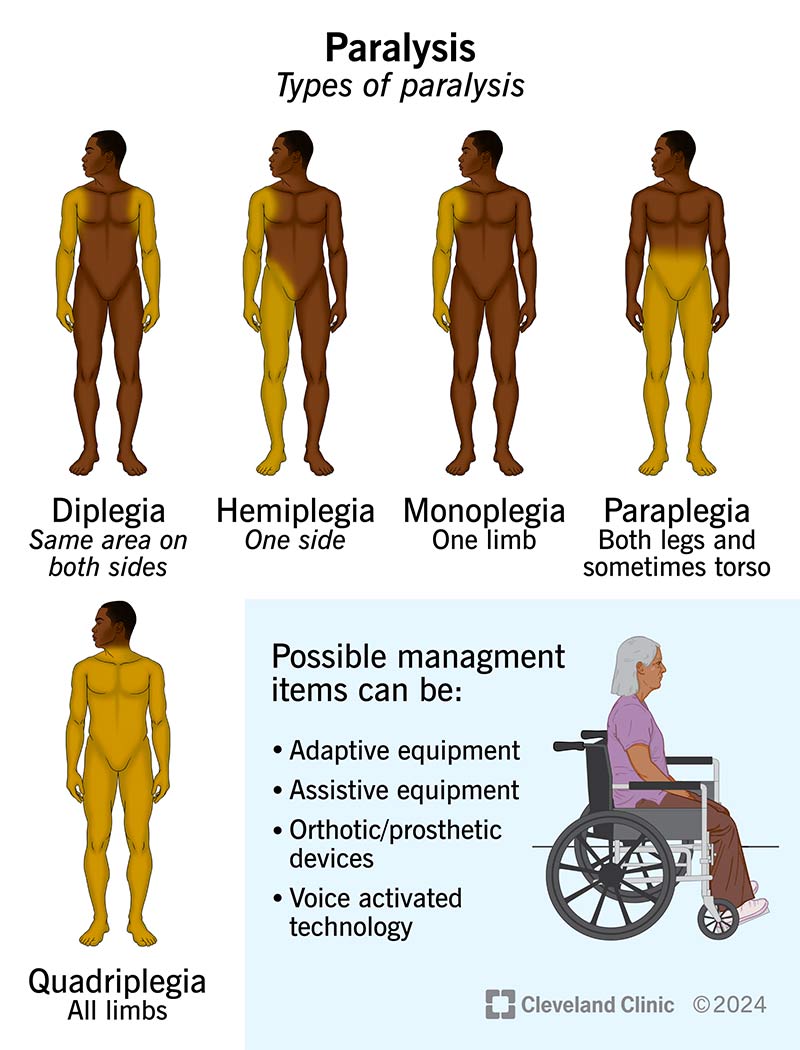
Transcranial Magnetic Stimulation (TMS) therapy can aid in treating paralysis, especially when caused by neurological conditions like stroke, spinal cord injury, or brain injury. It works by stimulating specific areas of the brain or spinal cord to promote neuroplasticity—the brain’s ability to reorganize and form new neural connections. Here’s how it can help:
Mechanism of Action
1. Activating Neural Pathways: TMS stimulates motor cortex regions that control voluntary movements, reactivating damaged or dormant neural pathways.
2. Enhancing Neuroplasticity: By repeatedly stimulating the motor cortex, TMS helps the brain rewire itself, improving motor control and strength in paralyzed muscles.
3. Reducing Inhibitory Signals: In conditions like stroke, the unaffected side of the brain often inhibits the affected side. TMS can reduce this imbalance, enabling better recovery.
4. Improving Spinal Cord Connectivity: In spinal cord injuries, TMS can enhance communication between the brain and the spinal cord, potentially restoring some motor functions.
Evidence and Applications
1. Stroke Rehabilitation: Repetitive TMS (rTMS) has shown promise in improving motor recovery by stimulating the affected motor cortex. It is often combined with physical therapy for better results.
2. Spinal Cord Injury: TMS has been used to stimulate spinal circuits, aiding in muscle activation and recovery of voluntary movement.
3. Cerebral Palsy and Traumatic Brain Injury: Helps improve motor function in patients with paralysis due to brain injuries.
Limitations
TMS is not a standalone cure; it works best when combined with rehabilitation therapies. The degree of recovery depends on the extent of nerve damage and the time since the injury.
Future Potential
While TMS is not yet widely used as a standard treatment for paralysis, ongoing research suggests its potential to improve mobility and quality of life for paralyzed individuals.