
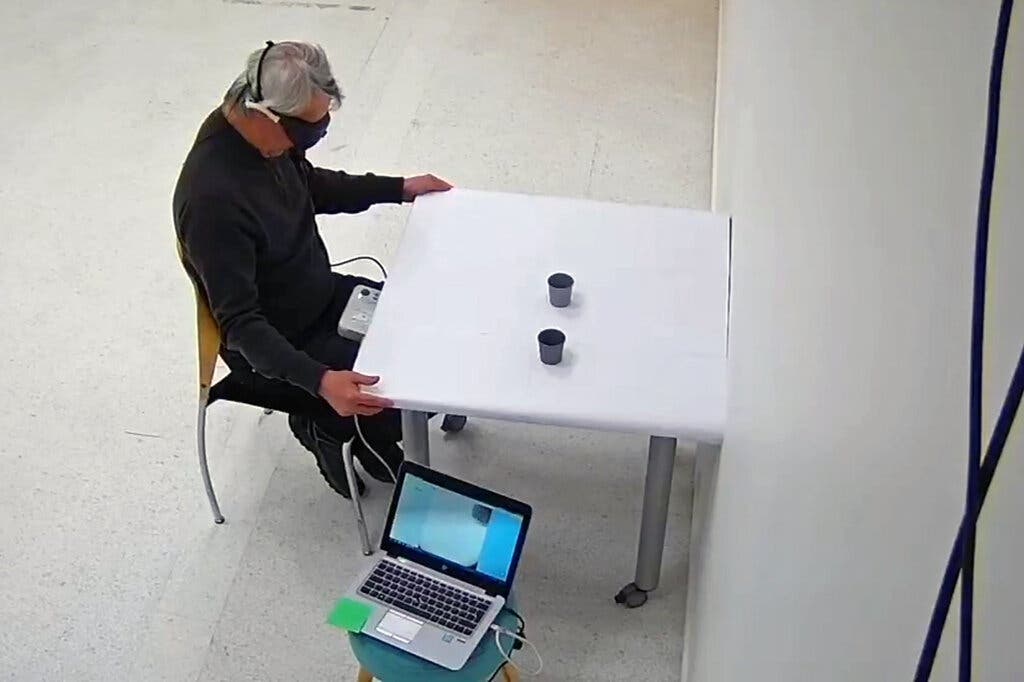
Optogenetics therapy is a revolutionary technique that uses light to control cells, such as neurons, that have been genetically modified to express light-sensitive ion channels. It is primarily used in research but has potential therapeutic applications for several diseases.
Diseases Treated with Optogenetics
1. Neurological Disorders:
Parkinson’s Disease: Targets motor circuits to improve movement and reduce tremors.
Epilepsy: Suppresses seizure activity by modulating overactive neurons.
Chronic Pain: Alters pain pathways in the nervous system to reduce pain perception.
2. Psychiatric Disorders:
Depression: Regulates brain regions like the prefrontal cortex to alleviate symptoms.
Anxiety: Modulates overactive circuits in the amygdala.
Obsessive-Compulsive Disorder (OCD): Balances dysfunctional neural pathways.
3. Retinal Disorders:
Retinitis Pigmentosa: Restores light sensitivity to damaged retinal cells, enabling vision improvement.
Macular Degeneration: Enhances vision by reactivating dysfunctional photoreceptor pathways.
4. Spinal Cord Injuries: Helps restore movement by reactivating motor neurons below the injury site.
5. Cardiac Arrhythmias: Modulates heart cells to correct abnormal rhythms without invasive procedures.
6. Addiction and Substance Abuse: Alters reward pathways in the brain to reduce addictive behaviors.
Limitations
Currently experimental and mostly used in animal models. Requires genetic modification and precise light delivery, which pose technical challenges. Long-term effects in humans are still under investigation.
Optogenetics holds significant promise as a future therapeutic tool but is still in its early stages of translation to clinical applications .