Transcranial Magnetic Stimulation (TMS) therapy is a non-invasive treatment that can help alleviate migraines by modulating brain activity. Here’s how it works:
Mechanism of Action
1. Neurostimulation: TMS delivers magnetic pulses to the brain, targeting regions like the motor cortex or prefrontal cortex, which are involved in migraine pathophysiology.
2. Interrupting Cortical Spreading Depression (CSD): CSD is a wave of abnormal brain activity associated with migraines. TMS disrupts this wave, reducing the likelihood of an attack.
3. Modulating Pain Pathways: TMS adjusts the excitability of neurons in pain-processing centers, reducing hypersensitivity to pain.
4. Improving Neurotransmitter Balance: It helps regulate neurotransmitters like serotonin and dopamine, which play roles in migraine onset.
Evidence of Effectiveness
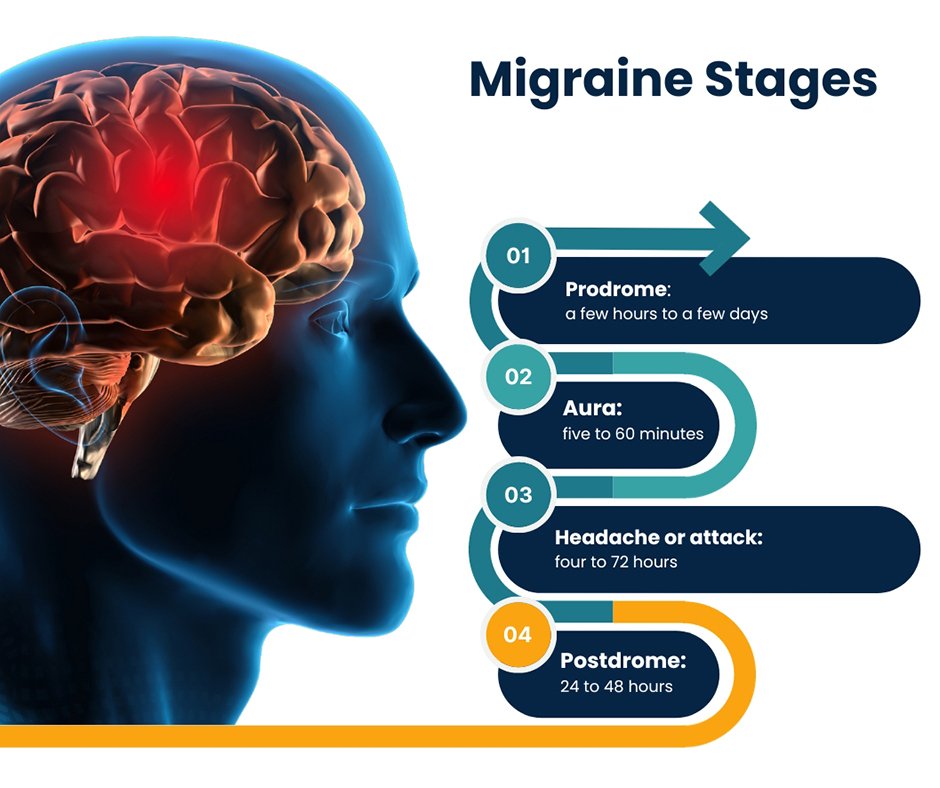
Acute Migraine Treatment: Studies have shown that single-pulse TMS (sTMS) applied during the aura phase can stop or reduce migraine attacks.
Chronic Migraine Management: Repetitive TMS (rTMS) over time can reduce the frequency and severity of migraines.
FDA Approval
The FDA has approved TMS devices like the sTMS mini specifically for migraine with aura.
Benefits
Non-invasive and painless. Fewer side effects compared to medications. Suitable for patients who do not respond to conventional treatments.
Limitations
Effectiveness may vary based on the type of migraine (e.g., aura vs. non-aura). Regular sessions may be needed for chronic migraines.
Side Effects
Mild headaches or discomfort at the stimulation site. Rare cases of dizziness or muscle twitching.
TMS is a promising therapy for migraines, particularly for patients seeking drug-free or non-invasive options .