
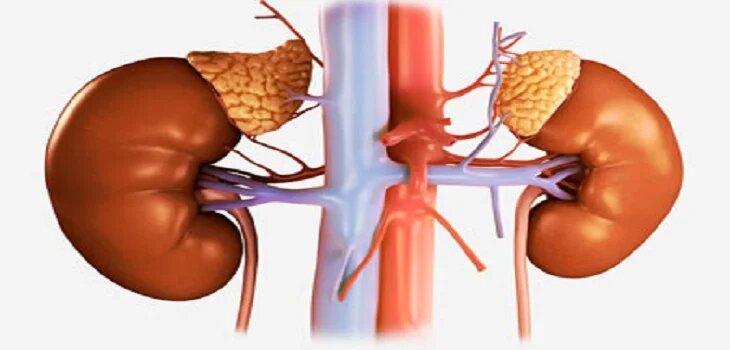
Kidney problems, including chronic kidney disease (CKD), are often managed rather than fully cured. However, neurotherapy can play a significant role in managing symptoms, improving kidney function, and supporting overall health. Neurotherapy works by addressing the brain-body connection, reducing stress, and improving nervous system regulation, which can positively impact kidney health. Here’s how:
1. Neurofeedback Therapy
What it does: Trains the brain to regulate abnormal activity patterns, especially those linked to stress and chronic pain.
Effect on Kidney Health: Reduces stress, which is a major factor in kidney damage, especially in conditions like hypertension and diabetes that strain the kidneys.
2. Biofeedback Therapy
What it does: Helps patients control involuntary processes such as heart rate, blood pressure, and muscle tension.
Effect on Kidney Health:
Lowers high blood pressure, which is critical for protecting kidneys.
Improves blood flow and oxygen supply to the kidneys, aiding in repair and detoxification.
Reduces muscle tension and pain in the lower back region, often associated with kidney problems.
3. Vagus Nerve Stimulation (VNS)
What it does: Stimulates the vagus nerve, which regulates inflammation and the autonomic nervous system.
Effect on Kidney Health:
Reduces systemic inflammation, a key factor in many kidney disorders.
Balances the stress response (sympathetic and parasympathetic systems), preventing further kidney damage.
4. Transcranial Magnetic Stimulation (TMS)
What it does: Uses magnetic pulses to target brain regions involved in pain and stress regulation.
Effect on Kidney Health:
Reduces chronic pain associated with kidney diseases, such as those caused by kidney stones or inflammation.
Improves mood and reduces anxiety, which indirectly benefits kidney health.
5. Heart Rate Variability (HRV) Biofeedback
What it does: Trains the nervous system to maintain a healthy balance between stress (sympathetic) and relaxation (parasympathetic) responses.
Effect on Kidney Health:
Enhances relaxation and lowers stress-related blood pressure.
Improves kidney function by promoting better blood circulation and reducing stress-induced damage.
6. Pain Desensitization Techniques
What it does: Reduces the brain’s hypersensitivity to chronic pain using neurotherapy.
Effect on Kidney Health:
Alleviates chronic pain related to kidney conditions (e.g., back pain or discomfort from kidney stones).
Improves quality of life and mobility, reducing the overall burden of kidney disease.
7. Stress Reduction
What it does: Neurotherapy techniques help manage stress, which is a major contributing factor to kidney disease.
Effect on Kidney Health: Stress reduction can prevent further damage to the kidneys caused by high blood pressure and inflammation.
Complementary Approaches with Neurotherapy:
Lifestyle Changes: Combine neurotherapy with dietary changes, regular hydration, and physical activity.
Blood Pressure and Diabetes Management: Neurotherapy complements traditional treatments for managing hypertension and diabetes, the two leading causes of kidney disease.
Emotional Support: Techniques like Cognitive Behavioral Therapy (CBT) alongside neurotherapy help address anxiety or depression commonly associated with chronic kidney disease.
Benefits of Neurotherapy for Kidney Problems:
Non-invasive and drug-free.
Reduces reliance on medications that may further burden the kidneys.
Enhances the body’s natural ability to repair and maintain kidney function.
Improves overall quality of life by managing pain, stress, and other associated symptoms.
Note:
While neurotherapy can support kidney health, it is not a standalone cure for kidney disease. It should be integrated into a comprehensive treatment plan involving medical management, dietary adjustments, and regular monitoring by healthcare professionals.