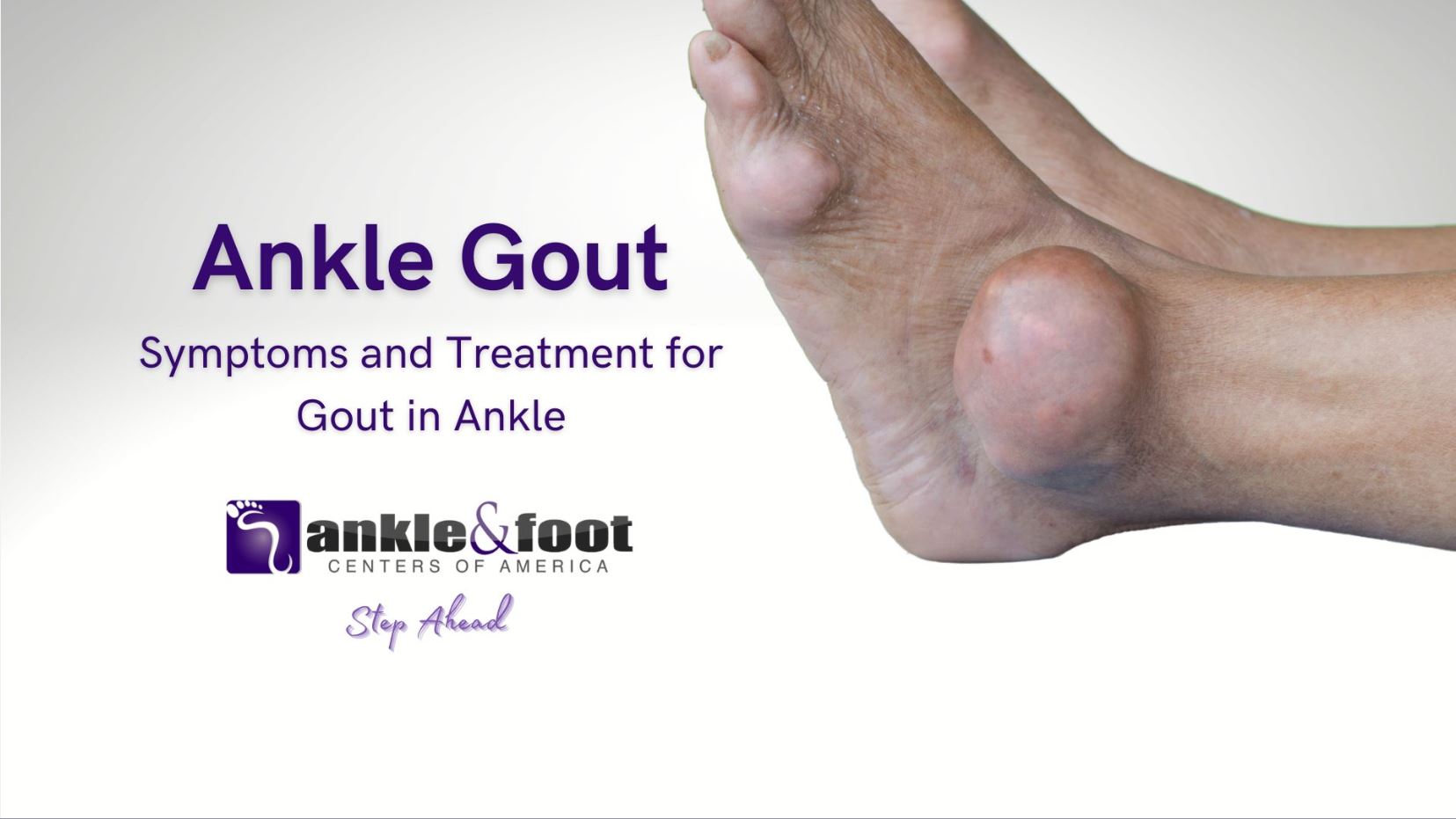
Gout is a type of arthritis that is caused by the accumulation of uric acid in the joints. This causes pain, swelling and redness in the joints. Electrical nerve stimulation (ENS) therapy can help conditions like gout in the following ways:
1. Reduce pain and inflammation
ENS therapy blocks pain signals by affecting the nervous system. It also increases blood flow to the tissues around the joints, reducing inflammation. Joint inflammation is a major problem in gout, which ENS therapy can effectively reduce.
2. Help remove uric acid deposits
Although ENS therapy does not directly reduce uric acid, it can activate blood flow and the lymphatic system in the affected area. This leads to better excretion of toxins (such as uric acid), which can reduce gout symptoms.
3. Modulating the oversensitivity of the nervous system
Joint pain in gout can be overly sensitive. ENS therapy can balance the hypersensitivity of the nervous system, providing long-term pain relief.
4. Speeding up the body’s natural healing process
ENS therapy activates the body’s natural healing process. This improves inflammation, pain, and other symptoms. If the therapy is given at the right time, it can help the body recover from the gout condition on its own.
Curing gout with Neurotherapy, Neurostimulation Therapy, Neuromodulation Therapy, Neurobiomarker Therapy, and Synthetic Stem Cell Therapy is theoretically plausible by addressing the root causes of gout, such as hyperuricemia, inflammation, immune system dysregulation, and joint damage. These advanced therapies work synergistically to normalize metabolic processes, modulate immune responses, repair tissue damage, and restore joint function. Below are the scientific mechanisms and reasoning behind the potential for a complete cure:
1. Neurotherapy: Neurotherapy focuses on regulating the nervous system and reducing stress, which can exacerbate gout symptoms.
Mechanism:
Stress Reduction: Chronic stress increases cortisol and inflammation, worsening gout. Neurotherapy reduces sympathetic overdrive, promoting relaxation and reducing uric acid buildup.
Pain Modulation: Neurofeedback can recalibrate neural pathways to reduce pain perception in gouty joints.
Scientific Basis: Stress has been linked to elevated serum uric acid levels. Neurotherapy can help balance the autonomic nervous system (ANS), lowering systemic inflammation and pain sensitivity. Biofeedback has been shown to alleviate chronic pain by modulating brain activity, which is beneficial for managing gout-related discomfort.
2. Neurostimulation Therapy: Neurostimulation techniques, such as Transcutaneous Electrical Nerve Stimulation (TENS) and Vagus Nerve Stimulation (VNS), can reduce pain and inflammation in gout patients.
Mechanism:
Pain Relief: TENS blocks pain signals from inflamed joints to the brain, providing immediate relief.
Inflammatory Modulation: VNS reduces pro-inflammatory cytokines, such as IL-1β and TNF-α, which are elevated during gout attacks.
Improved Blood Flow: Neurostimulation enhances microcirculation, promoting the clearance of uric acid crystals from joints.
Scientific Basis: Clinical studies show that TENS effectively reduces joint pain and improves mobility in arthritic conditions, including gout. VNS has demonstrated anti-inflammatory effects by stimulating the parasympathetic nervous system, which can help resolve acute gout flares.
3. Neuromodulation Therapy: Neuromodulation therapies target specific neural pathways to regulate inflammation and pain associated with gout.
Mechanism:
Peripheral Nerve Stimulation (PNS): Modulates the nerves in affected joints, reducing inflammation and pain.
Spinal Cord Stimulation (SCS): Alters pain processing in the spinal cord to alleviate chronic gout-related pain.
Closed-loop Systems: Dynamically adjust neural stimulation based on real-time feedback, optimizing treatment efficacy.
Scientific Basis: Neuromodulation has been shown to improve chronic pain and inflammatory conditions by reducing central sensitization and inflammatory cytokine levels. In gout, neuromodulation can break the cycle of pain and inflammation by resetting overactive neural circuits.
4. Neurobiomarker Therapy: Biomarker-guided therapy enables precise diagnosis and targeted interventions for gout.
Mechanism:
Inflammatory Biomarkers: Identifies elevated markers like IL-6, CRP, and uric acid, guiding personalized treatment.
Oxidative Stress Markers: Detects oxidative damage caused by uric acid crystals, enabling antioxidant therapies to prevent joint damage.
Joint-Specific Markers: Monitors cartilage degradation products, allowing early intervention to prevent irreversible joint damage.
Scientific Basis: Biomarkers like serum uric acid and synovial fluid analysis are already used in gout diagnosis. Integrating advanced biomarkers can refine treatment strategies. Anti-inflammatory interventions guided by biomarkers can accelerate resolution of gout flares and prevent recurrence.
5. Synthetic Stem Cell Therapy: Synthetic stem cells offer a revolutionary approach to repairing joint damage and modulating immune responses in gout.
Mechanism:
Joint Repair: Stem cells regenerate cartilage and bone tissues damaged by uric acid crystal deposition.
Anti-inflammatory Effects: Stem cells release immunomodulatory factors that suppress inflammation and promote healing.
Uric Acid Clearance: Stem cells improve kidney function, enhancing the excretion of uric acid and preventing its accumulation.
Scientific Basis: Studies have shown that mesenchymal stem cells (MSCs) reduce inflammation and promote tissue repair in arthritis, a condition similar to gout. Synthetic stem cells are engineered for targeted delivery and enhanced safety, making them ideal for regenerating gout-damaged joints.
Why a Complete Cure is Theoretically Possible:
1. Targeting Root Causes: Neurobiomarker-guided therapy identifies and addresses hyperuricemia and inflammation at their origin. Synthetic stem cells repair joint damage and restore metabolic balance.
2. Pain and Inflammation Modulation: Neurostimulation and neuromodulation therapies recalibrate pain pathways and suppress excessive immune responses.
3. Metabolic and Neural Regulation: Neurotherapy optimizes autonomic balance, reducing the physiological triggers of gout flares. Stem cells enhance kidney function, preventing the recurrence of uric acid buildup.
4. Integrated and Holistic Approach: Combining these therapies ensures simultaneous management of pain, inflammation, metabolic dysfunction, and tissue damage, offering a path to a permanent cure.
Limitations and Challenges:
Chronic Nature of Gout: Gout is influenced by diet, lifestyle, and genetics, requiring long-term management.
Cost and Accessibility: Advanced treatments like synthetic stem cells and neuromodulation are expensive and not widely available.
Clinical Validation: These therapies are still under research for gout-specific applications and need further clinical trials.
Summary: A combination of neurotherapy, neurostimulation, neuromodulation, neurobiomarker therapy, and synthetic stem cell therapy offers a comprehensive and scientifically supported approach to curing gout. By addressing pain, inflammation, joint damage, and metabolic dysfunction, these therapies hold the potential to achieve a complete and lasting cure. Continued research and integration with lifestyle modifications are essential for maximizing their effectiveness.