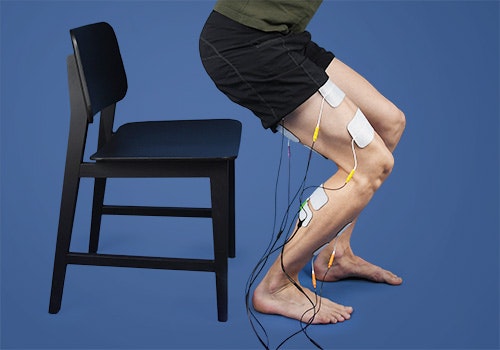
Functional Electrical Stimulation (FES) therapy uses low-energy electrical impulses to activate nerves and muscles, helping restore function and mobility. It is primarily used in rehabilitation for neurological and musculoskeletal conditions. Below are the diseases and conditions FES can treat:
Neurological Disorders
1. Spinal Cord Injury (SCI): Restores motor functions like walking or hand movements. Improves circulation and prevents muscle atrophy.
2. Stroke: Helps regain motor control in paralyzed limbs. Reduces spasticity and improves coordination.
3. Multiple Sclerosis (MS): Aids in reducing muscle weakness and improving gait.
4. Cerebral Palsy: Supports motor control and muscle coordination in children and adults.
5. Parkinson’s Disease: Enhances mobility and reduces tremors.
6. Traumatic Brain Injury (TBI):Restores voluntary movement by activating damaged neural pathways.
Musculoskeletal Disorders
1. Foot Drop: Stimulates muscles to lift the foot, improving walking ability.
2. Shoulder Subluxation (post-stroke): Strengthens shoulder muscles to prevent dislocation.
3. Chronic Pain: Relieves pain by reducing nerve sensitivity and muscle spasms.
Other Applications
1. Urinary and Fecal Incontinence: Stimulates pelvic floor muscles for bladder and bowel control.
2. Peripheral Nerve Damage: Helps reinnervate muscles after injuries like brachial plexus damage.
3. Heart Failure: Investigated for cardiac muscle stimulation to improve heart function.
Benefits of FES
Improves functional independence. Reduces muscle atrophy and bone density loss. Enhances blood flow and prevents pressure sores.
FES is particularly effective when combined with other therapies like physical oroccupational therapy. It is widely used in rehabilitation centers and home-based care systems .