
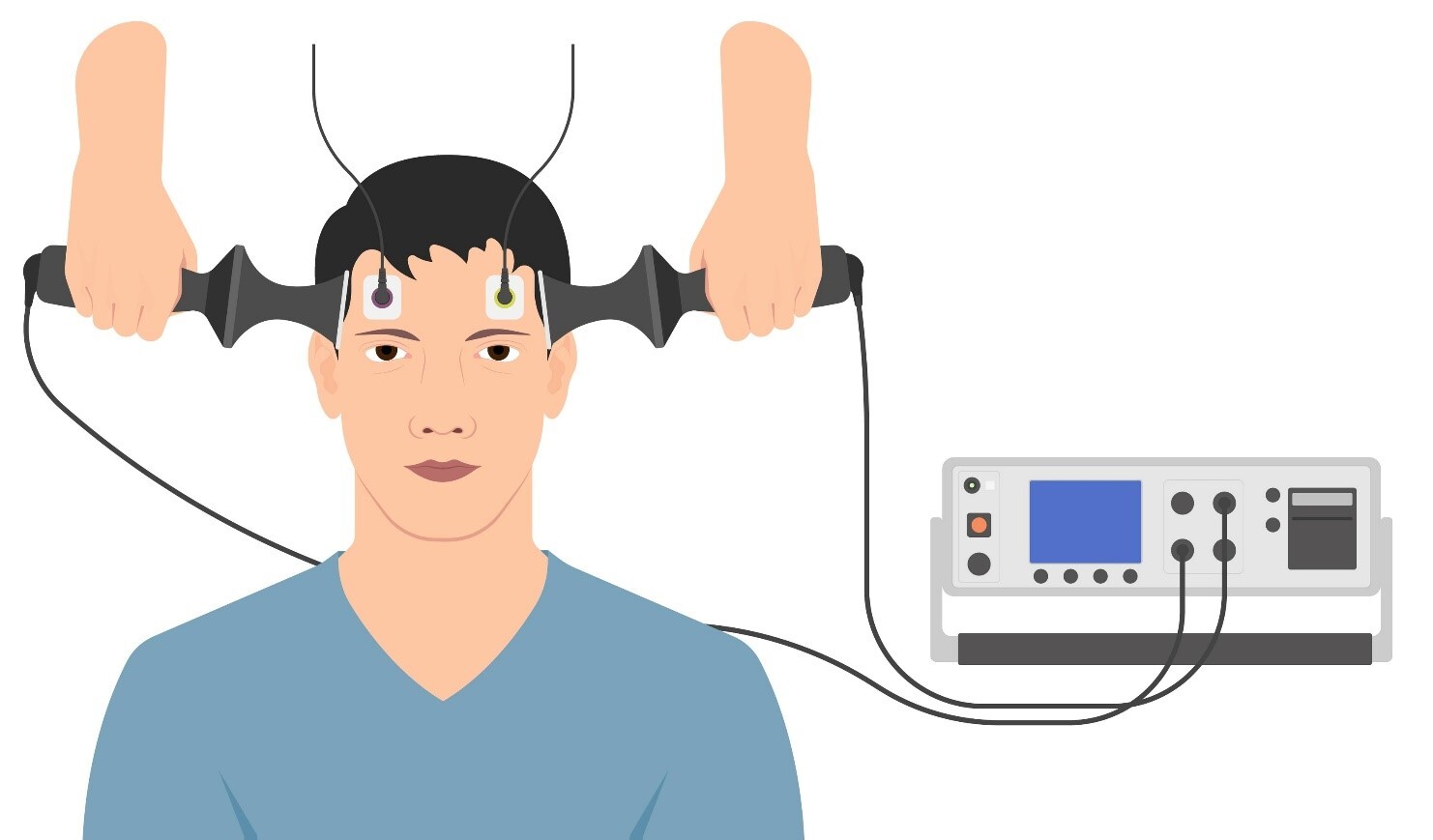
Electroconvulsive Therapy (ECT) is a medical treatment that uses controlled electrical currents to induce a brief seizure under anesthesia. It is highly effective for various psychiatric and neurological conditions, particularly when other treatments have failed.
Diseases Treated with ECT Therapy
A. Psychiatric Disorders
1. Major Depressive Disorder (MDD): Highly effective for severe or treatment-resistant depression. Often used for depression with psychotic features or suicidal tendencies.
2. Bipolar Disorder: Treats both manic and depressive episodes, especially when medications are ineffective.
3. Schizophrenia: Effective for catatonic schizophrenia and treatment-resistant cases. Helps reduce delusions, hallucinations, and psychomotor disturbances.
4. Catatonia: A life-threatening condition characterized by motor immobility or hyperactivity. ECT provides rapid relief.
5. Postpartum Depression: Safely treats severe depression in postpartum women.
6. Severe Anxiety Disorders (Experimental): Used in some cases of treatment-resistant generalized anxiety or obsessive-compulsive disorder (OCD).
B. Neurological Disorders
1. Parkinson’s Disease: Provides relief for depression and motor symptoms in advanced stages.
2. Epilepsy (Rare): May improve seizure control in specific cases when other treatments fail.
3. Dementia with Severe Behavioral Disturbances: Helps manage aggression, agitation, or self-harm in some dementia patients.
4. Refractory Seizures: Occasionally used for seizures unresponsive to medications.
When is ECT Recommended?
When other treatments, like medications or psychotherapy, fail.
When rapid symptom relief is necessary (e.g., in life-threatening depression or catatonia).
In patients who cannot tolerate medications due to side effects or other medical conditions.
Benefits of ECT
Rapid and significant symptom improvement in severe cases. Effective for conditions that are otherwise difficult to treat. Non-invasive with no permanent damage to the brain.
Limitations and Side Effects
Common Side Effects: Temporary memory loss (anterograde or retrograde). Confusion or disorientation post-treatment. Headaches or muscle pain.
Rare Risks: Cardiovascular complications, especially in patients with pre-existing heart conditions.
ECT remains one of the most effective therapies for severe psychiatric conditions, offering life-saving relief in cases where other treatments have proven ineffective.