
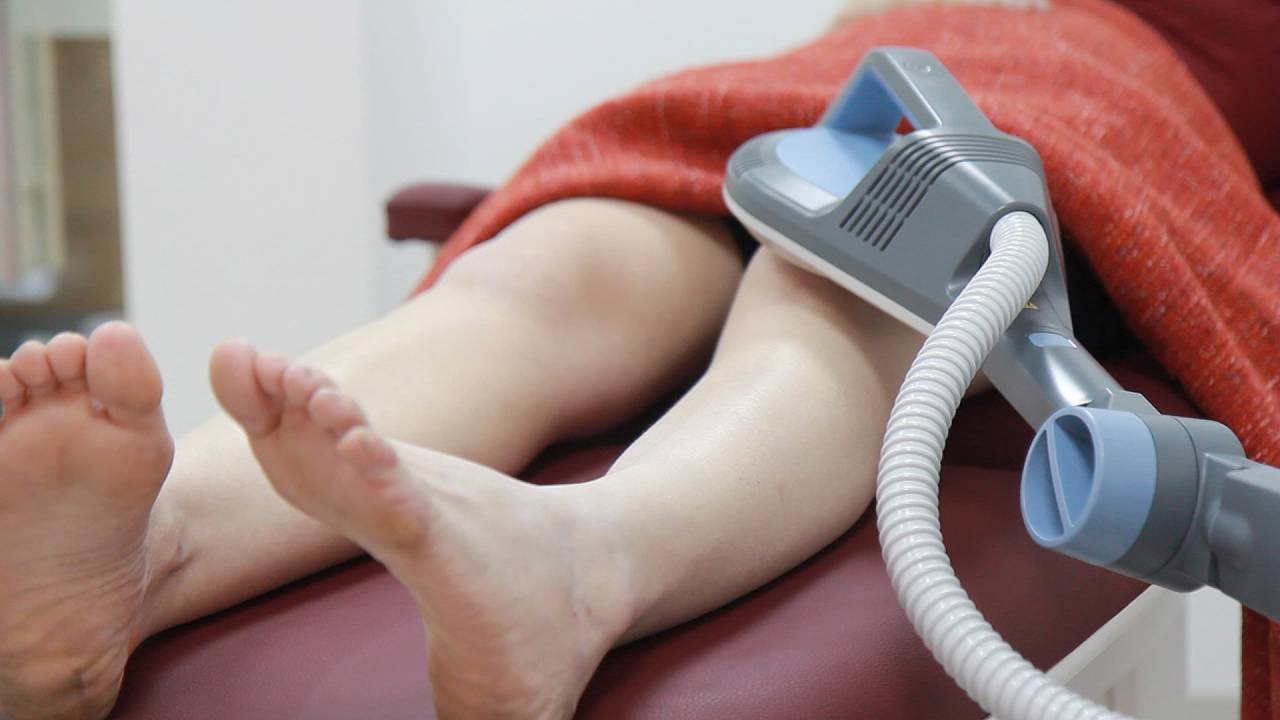
Diabetic neuropathy is a complex condition that damages nerves due to uncontrolled blood sugar over a long period of time. Its symptoms include tingling, numbness, burning, and weakness in the feet or hands. Electrical nerve stimulation (ENS) therapy can help cure diabetic neuropathy in the following ways:
1. Activating nerves and reducing pain
ENS therapy sends mild electrical impulses to the nerves, which stop pain signals before they reach the brain. It balances the sensitivity of the nerves and relieves symptoms such as pain and burning.
2. Increasing blood flow to the nerves
In diabetic neuropathy, the nerves do not get adequate blood flow and nutrition. ENS therapy provides oxygen and essential nutrients to the nerves by increasing blood flow to the affected area, thereby speeding up their healing process.
3. Improves nerve function
ENS therapy reactivates the weakened function of nerves. It helps restore normal nerve function by restoring the electrical signals of the nerves.
4. Reduces inflammation and oxidative stress
Inflammation and oxidative stress are the main causes of nerve damage in diabetic neuropathy. ENS therapy reduces both of these, preventing damage to nerves and helping them heal.
5. Activates the body’s natural healing process
ENS therapy not only reduces symptoms, but also speeds up the body’s natural healing process. It can help rebuild nerves and restore their functionality permanently.
Curing diabetic neuropathy with neurotherapy, neurostimulation therapy, neuromodulation therapy, neurobiomarker therapy, and synthetic stem cell therapy is scientifically plausible because these approaches address the root causes, including nerve damage, inflammation, metabolic dysfunction, and impaired nerve regeneration. Here’s how these therapies work and the scientific reasoning behind their potential for a complete cure:
1. Neurotherapy: Neurotherapy involves non-invasive methods like biofeedback and brain training to restore nerve function and modulate the brain’s response to neuropathic pain.
Mechanism:
Nerve Regeneration: Neurotherapy can promote neuroplasticity, helping the nervous system repair damaged pathways.
Pain Modulation: Biofeedback helps retrain the brain to regulate its perception of pain signals, reducing symptoms like burning and tingling sensations.
Scientific Basis: Studies show that biofeedback can improve nerve function and reduce neuropathic pain by enhancing autonomic nervous system (ANS) balance and promoting better blood flow to nerves.
2. Neurostimulation Therapy: Techniques like Transcutaneous Electrical Nerve Stimulation (TENS), Transcranial Magnetic Stimulation (TMS), and vagus nerve stimulation (VNS) can modulate neural circuits involved in nerve function and pain.
Mechanism:
Pain Signal Interruption: TENS blocks pain signals from damaged nerves to the brain.
Nerve Repair Stimulation: TMS and VNS enhance neuroplasticity and promote nerve regeneration.
Improved Blood Flow: These therapies increase blood flow to peripheral nerves, which can reverse damage caused by poor circulation in diabetes.
Scientific Basis: TENS is widely used for managing neuropathic pain, and clinical studies have demonstrated its effectiveness. TMS and VNS have been shown to reduce neuropathic pain and promote nerve recovery by modulating neural activity.
3. Neuromodulation Therapy: Neuromodulation involves devices that directly alter the function of nerves affected by diabetic neuropathy.
Mechanism:
Peripheral Nerve Stimulation: Stimulates damaged peripheral nerves to encourage regeneration and restore function.
Spinal Cord Stimulation (SCS): Modulates pain pathways in the spinal cord, reducing neuropathic pain.
Closed-loop Systems: Adaptive systems can provide personalized stimulation based on the patient’s real-time neural activity.
Scientific Basis: Spinal cord stimulation is FDA-approved for chronic pain and has shown efficacy in treating diabetic neuropathy. Peripheral nerve stimulators can improve sensory function and reduce symptoms like numbness and tingling.
4. Neurobiomarker Therapy: Biomarker-based approaches allow for precise diagnosis, monitoring, and targeted therapy for diabetic neuropathy.
Mechanism:
Early Detection: Biomarkers such as inflammatory cytokines, oxidative stress markers, and nerve growth factors can identify neuropathy before symptoms worsen.
Personalized Treatment: Biomarker-guided therapies ensure targeted interventions, improving nerve repair and function.
Scientific Basis: Biomarkers like nerve conduction velocity and serum markers of inflammation are used to monitor neuropathy progression and response to treatment. Neurotrophic factors, such as nerve growth factor (NGF), can guide regenerative therapies.
5. Synthetic Stem Cell Therapy: Synthetic or bioengineered stem cells can regenerate damaged nerves and reverse diabetic neuropathy.
Mechanism:
Nerve Regeneration: Stem cells can differentiate into Schwann cells, which are essential for nerve repair and myelination.
Anti-inflammatory Effects: Stem cells reduce chronic inflammation that contributes to nerve damage.
Angiogenesis Promotion: Stem cells enhance blood vessel formation, improving nutrient and oxygen delivery to damaged nerves.
Scientific Basis: Animal studies have shown that stem cell therapy improves nerve conduction, regenerates nerve tissue, and reduces neuropathic pain. Synthetic stem cells provide advantages like immune evasion and targeted delivery, improving therapeutic outcomes.
Why a Complete Cure is Theoretically Possible:
1. Addressing Root Causes: Stem cell therapy repairs damaged nerves and restores normal function. Neuromodulation and neurostimulation improve blood flow and modulate neural circuits involved in pain and nerve repair.
2. Neuroplasticity and Regeneration: The nervous system’s capacity to adapt and heal can be harnessed through neurotherapy and neuromodulation.
3. Personalized and Targeted Treatment: Neurobiomarker-based approaches allow precise identification of the underlying pathology, ensuring effective intervention.
4. Integrated Approaches: Combining these therapies targets multiple aspects of diabetic neuropathy, such as metabolic dysfunction, inflammation, and nerve degeneration.
Limitations and Challenges:
Chronic Nature of Diabetes: Continued exposure to high glucose levels can cause recurring nerve damage, requiring long-term management.
Lifestyle Factors: Glycemic control, diet, and exercise are critical to sustaining nerve health and preventing further damage.
Cost and Accessibility: Advanced therapies like synthetic stem cells and neuromodulation devices are expensive and not yet widely available.
Clinical Validation: These therapies are still under research, and more clinical trials are needed to confirm their effectiveness and safety.
Summary: A combination of these advanced therapies can potentially cure diabetic neuropathy by addressing nerve damage, inflammation, and metabolic dysfunction at their root. They provide a multi-pronged approach to restoring nerve function, reducing pain, and regenerating damaged tissues. While promising, these therapies require further research, integration with lifestyle changes, and personalized treatment plans for a complete and lasting cure.