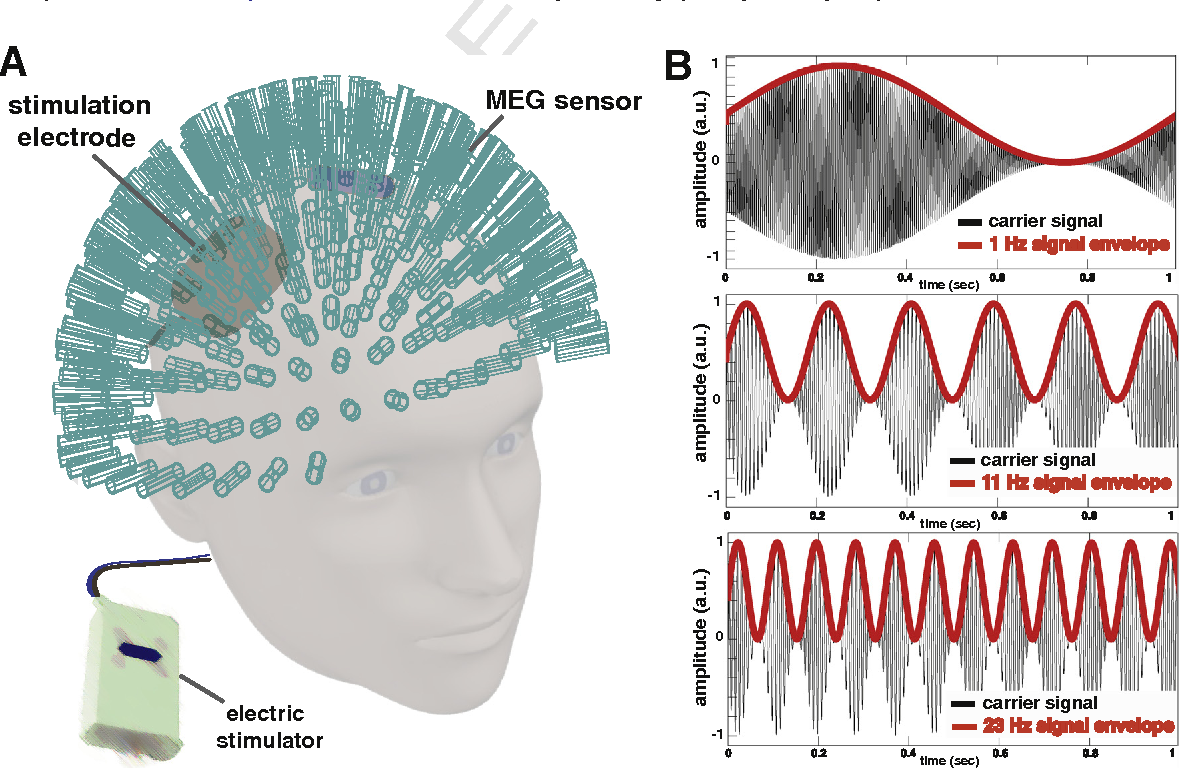
Cortical stimulation therapy involves delivering electrical or magnetic stimulation directly to the brain’s cortex to regulate activity, enhance neural plasticity, or inhibit abnormal activity. It is used to treat various neurological, psychiatric, and cognitive disorders, especially when conventional therapies are insufficient.
Diseases and Conditions Treated with Cortical Stimulation
1. Neurological Disorders
Epilepsy:
Cortical stimulation (e.g., responsive neurostimulation) targets seizure foci in the brain to prevent or reduce seizure frequency.
Particularly used in drug-resistant epilepsy.
Stroke Rehabilitation:
Enhances motor recovery by stimulating the motor cortex, improving movement in the affected limbs.
Promotes neuroplasticity to aid recovery of speech and cognitive functions.
Chronic Pain (Neuropathic Pain):
Stimulates the sensory or motor cortex to alleviate pain in conditions like trigeminal neuralgia or phantom limb pain.
Cortical stimulation modulates the pain processing pathways.
Movement Disorders:
Conditions like Parkinson’s disease, dystonia, and essential tremor can be managed by stimulating motor cortex areas to improve coordination and reduce tremors.
2. Psychiatric Disorders
Depression:
For treatment-resistant depression, cortical stimulation (e.g., transcranial magnetic stimulation or deep cortical stimulation) targets the dorsolateral prefrontal cortex to regulate mood.
Obsessive-Compulsive Disorder (OCD):
Targets overactive regions of the orbitofrontal cortex and anterior cingulate cortex to reduce OCD symptoms.
Post-Traumatic Stress Disorder (PTSD):
Stimulates areas associated with emotional regulation to reduce anxiety and stress.
3. Cognitive Disorders
Alzheimer’s Disease and Dementia:
Targets memory-related cortical regions (e.g., the hippocampal and temporal cortex) to improve memory, attention, and cognitive function.
Aphasia (Speech Disorders):
Stimulation of language centers in the left hemisphere (e.g., Broca’s or Wernicke’s areas) enhances speech recovery post-stroke or trauma.
4. Sensory and Perceptual Disorders
Tinnitus:
Cortical stimulation of the auditory cortex can reduce phantom sound perception.
Visual Impairments:
Stimulates the visual cortex in cases of cortical blindness or visual field defects to enhance perception.
5. Autism Spectrum Disorders (ASD):
Targets underactive or overactive cortical areas to regulate social and behavioral responses.
6. Attention Deficit Hyperactivity Disorder (ADHD):
Stimulates the prefrontal cortex to improve focus, attention, and impulse control.
7. Addiction and Cravings:
Stimulation of reward-related cortical regions (e.g., the prefrontal cortex) helps regulate cravings and reduces dependency behaviors.
8. Motor Neuron Diseases (e.g., ALS):
Cortical stimulation may slow disease progression by enhancing motor neuron function.
9. Migraine and Cluster Headaches:
Stimulates the occipital cortex to prevent migraines or reduce headache severity.
Types of Cortical Stimulation Techniques
1. Non-Invasive Stimulation:
Transcranial Magnetic Stimulation (TMS): Delivers magnetic pulses to stimulate or inhibit specific cortical regions.
Transcranial Direct Current Stimulation (tDCS): Uses low electrical currents to modulate cortical activity.
2. Invasive Stimulation:
Cortical Implant Electrodes: Electrodes are surgically placed on the brain’s surface to deliver electrical impulses directly to the cortex (used in epilepsy or chronic pain).
Deep Brain Stimulation (DBS): Targets deeper brain structures but may also influence cortical activity.
3. Responsive Neurostimulation (RNS): Combines real-time monitoring with stimulation to control abnormal cortical activity.
Key Considerations for Cortical Stimulation:
Patient Selection: Effective for treatment-resistant conditions or severe cases. Stimulation settings are personalized to optimize therapeutic outcomes.