
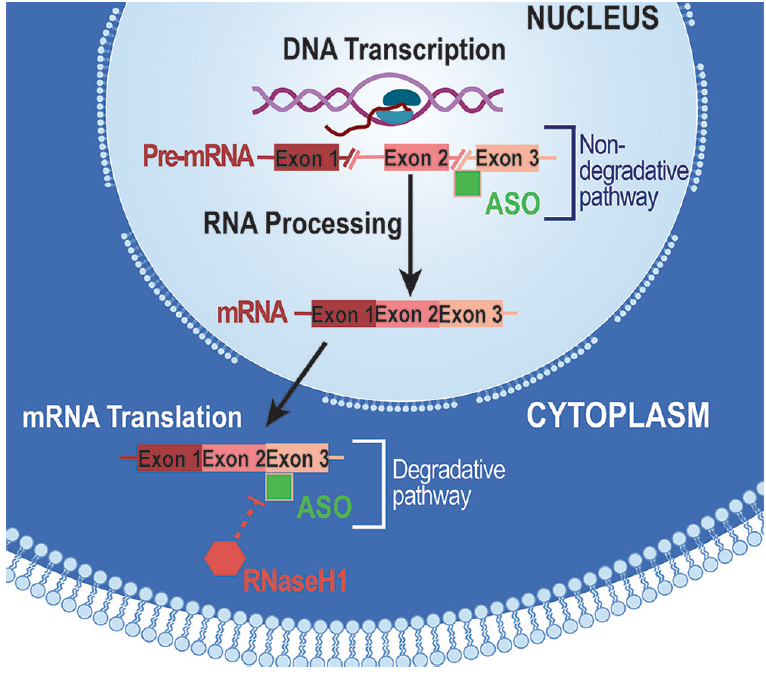
Antisense oligonucleotide (ASO) therapy is a targeted treatment that modifies gene expression by binding to specific RNA sequences. By blocking the production of harmful proteins or correcting genetic defects, ASO therapy has shown potential in treating a variety of physical problems, disorders, diseases, syndromes, and organ failures. Below is a detailed list of conditions treatable with ASO therapy:
1. Neurological Disorders
ASO therapy is highly effective for genetic disorders affecting the nervous system.
Spinal Muscular Atrophy (SMA):
Symptoms: Muscle weakness, difficulty breathing, loss of mobility.
ASO: Enhances SMN protein production by modifying SMN2 gene splicing.
Huntington’s Disease:
Symptoms: Movement difficulties, cognitive decline, psychiatric symptoms.
ASO: Lowers levels of mutant huntingtin protein (HTT).
Amyotrophic Lateral Sclerosis (ALS):
Symptoms: Muscle weakness, difficulty speaking, swallowing, and breathing.
ASO: Targets SOD1 or C9orf72 mutations to reduce toxic protein levels.
Alzheimer’s Disease:
Symptoms: Memory loss, confusion, difficulty with cognitive tasks.
ASO: Targets tau or amyloid-beta proteins to slow disease progression.
Parkinson’s Disease:
Symptoms: Tremors, muscle rigidity, slowness of movement.
ASO: Reduces alpha-synuclein protein accumulation.
2. Genetic Disorders
ASO therapy addresses rare genetic conditions by modifying defective RNA or protein production.
Duchenne Muscular Dystrophy (DMD):
Symptoms: Progressive muscle weakness, difficulty walking, heart and lung problems.
ASO: Restores dystrophin protein production through exon skipping.
Marfan Syndrome:
Symptoms: Long limbs, cardiovascular complications, joint hypermobility.
ASO: Modifies fibrillin-1 gene expression to reduce harmful protein effects.
Cystic Fibrosis:
Symptoms: Thick mucus production, respiratory infections, digestive issues.
ASO: Targets defective CFTR gene splicing.
Usher Syndrome:
Symptoms: Progressive hearing and vision loss.
ASO: Corrects gene mutations affecting sensory cells.
3. Cancer
ASO therapy targets oncogenes and other cancer-associated genes.
Lung Cancer:
Symptoms: Persistent cough, shortness of breath, chest pain.
ASO: Inhibits oncogene expression, such as KRAS or EGFR.
Breast Cancer:
Symptoms: Lump in the breast, changes in breast shape, skin dimpling.
ASO: Reduces HER2 or BRCA-related protein overexpression.
Glioblastoma:
Symptoms: Severe headaches, nausea, cognitive changes.
ASO: Inhibits tumor-promoting genes, like STAT3 or TGF-beta.
4. Metabolic Disorders
ASO therapy can modulate gene activity in metabolic pathways.
Hypercholesterolemia (High Cholesterol):
Symptoms: Elevated LDL levels, increased cardiovascular risk.
ASO: Reduces PCSK9 or ApoB protein levels to lower cholesterol.
Type 2 Diabetes:
Symptoms: High blood sugar, fatigue, frequent urination, increased thirst.
ASO: Targets inflammatory or insulin-resistance-related genes.
Gaucher Disease:
Symptoms: Enlarged liver and spleen, bone pain, fatigue.
ASO: Corrects enzyme deficiencies causing lipid accumulation.
5. Autoimmune and Inflammatory Disorders
ASO therapy reduces harmful immune responses.
Rheumatoid Arthritis:
Symptoms: Joint pain, swelling, stiffness.
ASO: Targets TNF-alpha or other inflammatory cytokines.
Psoriasis:
Symptoms: Thick, scaly skin patches, itching, discomfort.
ASO: Reduces keratinocyte hyperproliferation and inflammation.
Inflammatory Bowel Disease (IBD):
Symptoms: Abdominal pain, diarrhea, weight loss.
ASO: Suppresses inflammatory mediators like IL-23 or TNF-alpha.
6. Cardiovascular Disorders
ASO therapy addresses gene-related cardiovascular risk factors.
Atherosclerosis:
Symptoms: Plaque buildup in arteries, chest pain, heart attack risk.
ASO: Reduces Apo(a) or PCSK9 protein levels to lower plaque formation.
Heart Failure:
Symptoms: Fatigue, shortness of breath, swelling in legs.
ASO: Targets genes causing myocardial stress or fibrosis.
Thrombosis (Blood Clots):
Symptoms: Pain, swelling, redness in affected limbs.
ASO: Inhibits clot-promoting proteins like Factor XI.
7. Eye Disorders
ASO therapy slows or prevents vision loss by targeting defective genes.
Retinitis Pigmentosa:
Symptoms: Night blindness, peripheral vision loss.
ASO: Corrects splicing defects in retinal cells.
Leber Congenital Amaurosis (LCA):
Symptoms: Severe vision loss from birth.
ASO: Modifies gene splicing to restore normal protein function.
Diabetic Retinopathy:
Symptoms: Blurred vision, dark spots, vision loss.
ASO: Reduces VEGF to prevent abnormal blood vessel growth.
8. Kidney Disorders
ASO therapy can reduce damage and slow disease progression in renal conditions.
Polycystic Kidney Disease (PKD):
Symptoms: Kidney cysts, high blood pressure, kidney failure risk.
ASO: Reduces cyst-forming proteins.
Alport Syndrome:
Symptoms: Hearing loss, vision problems, kidney failure.
ASO: Corrects mutations affecting basement membrane proteins.
Chronic Kidney Disease (CKD):
Symptoms: Fatigue, swelling, high blood pressure.
ASO: Targets inflammatory or fibrotic gene pathways.
9. Liver Disorders
ASO therapy is particularly effective for diseases involving protein overproduction.
Transthyretin Amyloidosis (ATTR):
Symptoms: Neuropathy, heart failure, liver complications.
ASO: Reduces transthyretin protein accumulation.
Hemophilia:
Symptoms: Excessive bleeding, joint pain, bruising.
ASO: Modifies clotting factor production.
Alpha-1 Antitrypsin Deficiency:
Symptoms: Liver damage, lung disease, breathing difficulties.
ASO: Reduces toxic protein buildup in liver cells.
10. Blood Disorders
ASO therapy modulates gene expression to correct blood abnormalities.
Thalassemia:
Symptoms: Anemia, fatigue, pale skin.
ASO: Modulates globin gene production.
Sickle Cell Disease:
Symptoms: Pain, swelling, anemia, organ damage.
ASO: Targets abnormal hemoglobin production.
11. Pulmonary Disorders
ASO therapy reduces inflammation and mucus overproduction in respiratory conditions.
Chronic Obstructive Pulmonary Disease (COPD):
Symptoms: Persistent cough, breathlessness, wheezing.
ASO: Reduces inflammatory cytokines in lung tissue.
Asthma:
Symptoms: Wheezing, chest tightness, difficulty breathing.
ASO: Suppresses inflammatory pathways.
Conclusion
Antisense oligonucleotide therapy offers a promising solution for a variety of chronic and genetic conditions, particularly where specific genes or RNA pathways play a critical role. Its success depends on precise targeting and delivery, and it is best suited for diseases with well-defined molecular causes.