
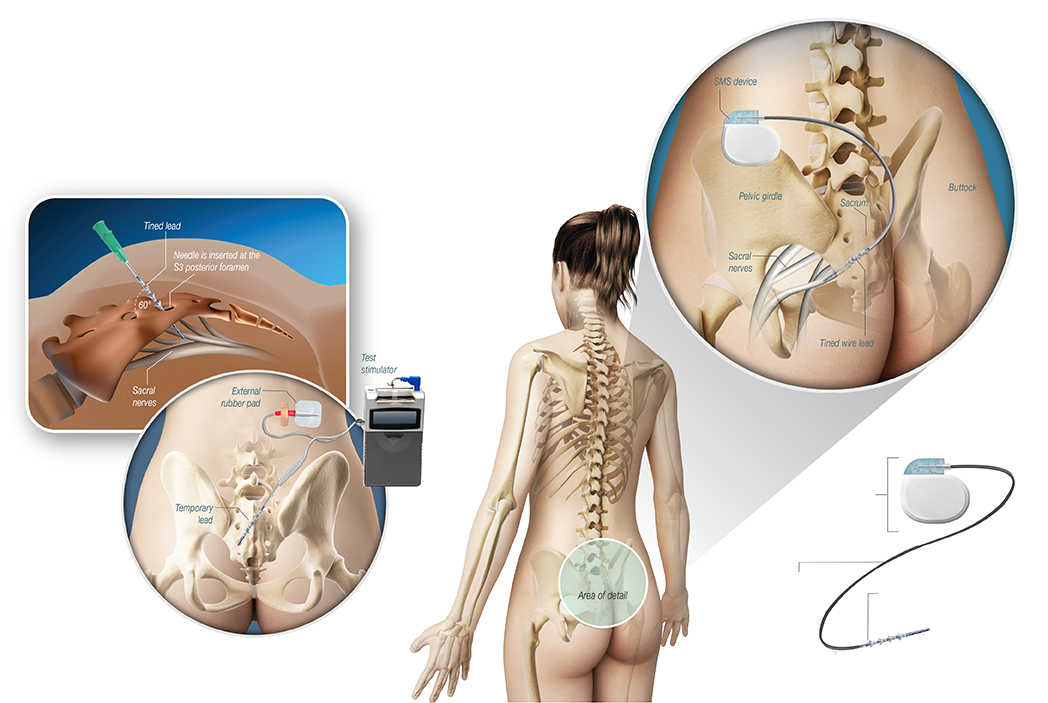
Sacral Nerve Stimulation (SNS), also called Sacral Neuromodulation (SNM), is a minimally invasive therapy that uses electrical impulses to modulate the sacral nerves, which control bladder, bowel, and pelvic floor functions. It is primarily used to treat conditions related to urinary and fecal incontinence.
Conditions Treated with SNS Therapy
1. Urinary Disorders:
Overactive Bladder (OAB): Helps reduce urgency, frequency, and urge incontinence when medications or behavioral therapies fail.
Urinary Retention: Treats non-obstructive urinary retention by improving bladder muscle control.
Neurogenic Bladder: Used in conditions like spinal cord injury or multiple sclerosis to improve bladder emptying and reduce incontinence.
2. Bowel Disorders:
Fecal Incontinence: Effective for treating loss of bowel control, especially when caused by nerve or sphincter damage.
Chronic Constipation: Improves bowel movements in cases where other treatments have been ineffective.
3. Pelvic Pain and Dysfunction:
Pelvic Floor Dysfunction: Enhances muscle control in the pelvic region.
Chronic Pelvic Pain: Provides symptom relief for pain associated with nerve dysfunction.
4. Neurological and Rare Disorders:
Spina Bifida: Assists with urinary and bowel management in patients with congenital spinal anomalies.
Parkinson’s Disease: May improve bladder control issues associated with neurodegeneration.
Interstitial Cystitis: Helps relieve chronic bladder pain and discomfort.
How SNS Works
An implantable device sends mild electrical impulses to the sacral nerves (S2–S4), which regulate bladder, bowel, and pelvic floor activity. It restores normal signaling between the brain and the pelvic organs.
Effectiveness
Success rates for fecal incontinence are around 70–90%. For overactive bladder, studies show significant improvement in 60–80% of patients. Constipation relief is seen in approximately 50–60% of patients.
Limitations and Side Effects
Possible Side Effects: Pain at the implant site. Infection or device malfunction. Temporary discomfort during stimulation.
Not Suitable For: Patients with anatomical anomalies preventing device placement. Those with pacemakers or other electronic implants.
Sacral nerve stimulation has revolutionized the management of refractory bladder and bowel dysfunctions, offering hope to patients with conditions that significantly impact quality of life .