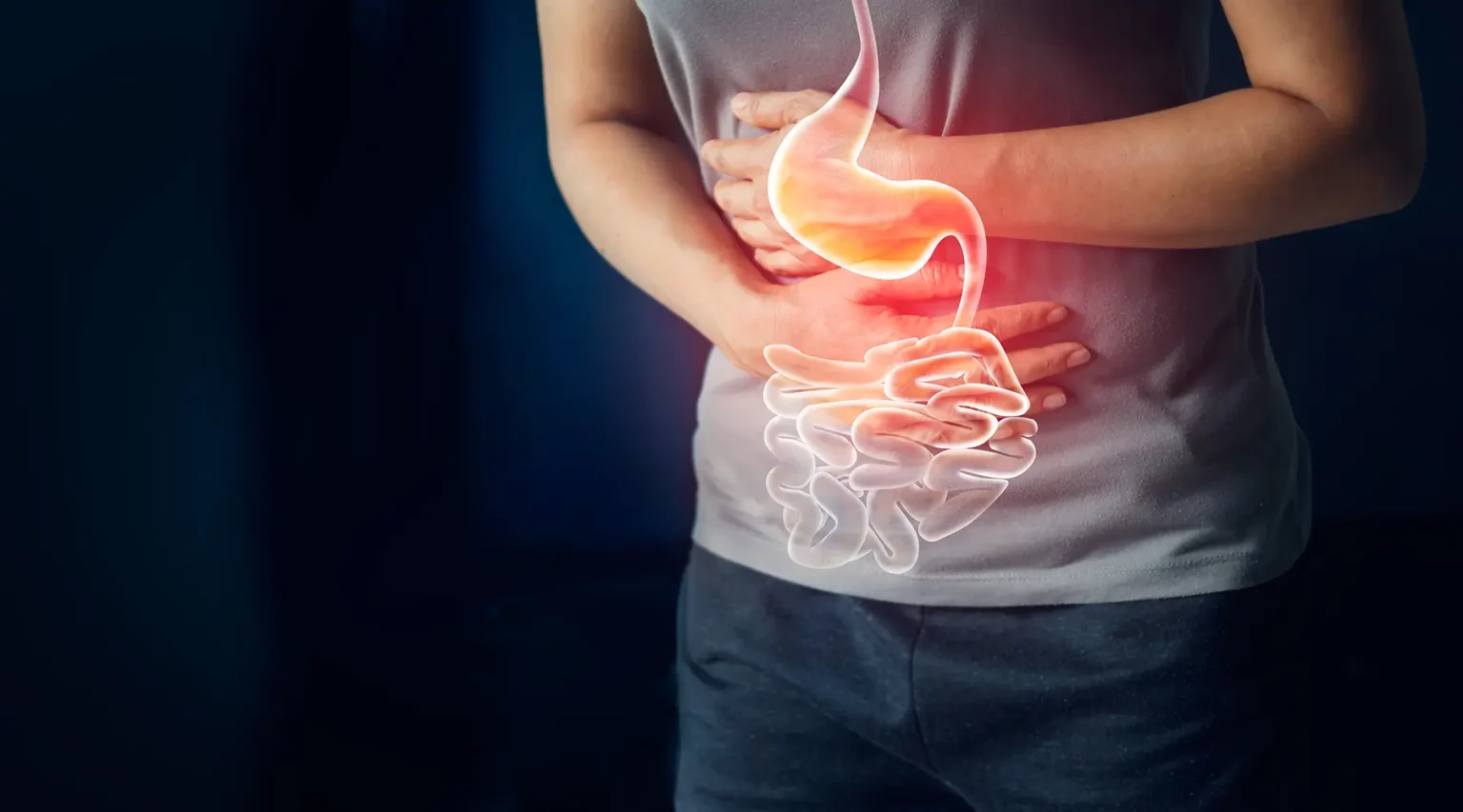
The use of tVNS (Transcutaneous Vagus Nerve Stimulation) therapy can also be effective in treating digestive system and gastric problems. The vagus nerve is part of the body’s autonomic nervous system and it controls the function of organs related to digestion. This therapy can help cure gastric problems from the root.
tVNS Therapy and Solution to Gastric Problems:
1. Improves Digestive System: The vagus nerve controls the digestive process, such as the secretion of gastric acid and intestinal movements to digest food. tVNS therapy balances these processes of the digestive system by stimulating the vagus nerve.
2. Improves Gastric Motility: Disturbances in gastric motility (movement of the stomach and intestines) can cause acidity, bloating and indigestion. tVNS improves gastric motility, which leads to proper digestion of food and cleaning of the intestines.
3. Reducing inflammation and gastric swelling: Stimulation of the vagus nerve reduces inflammation in the body. Gastric problems are often caused by stomach inflammation and acid imbalance, which tVNS therapy can control.
4. Relation between stress and gastric problems: Stress and anxiety can aggravate gastric problems. tVNS therapy also helps in eliminating the causes of gastric problems by reducing stress.
5. Effect on the parasympathetic nervous system: tVNS activates the parasympathetic nervous system, which stimulates the digestive process and is helpful in relieving gastric complications.
Curing gastric problems using Neurotherapy, Neurostimulation Therapy, Neuromodulation Therapy, Neurobiomarker Therapy, and Synthetic Stem Cell Therapy is scientifically plausible because these approaches address the root causes of gastrointestinal (GI) dysfunction, such as abnormal neural regulation, inflammation, tissue damage, and microbial imbalance. Here’s how these therapies could work and their scientific rationale:
1. Neurotherapy: Neurotherapy involves non-invasive methods like biofeedback and brain training to regulate the brain-gut axis and autonomic nervous system (ANS).
Mechanism:
Brain-Gut Axis Regulation: The gut is directly connected to the brain through the vagus nerve. Dysregulation of this communication can lead to gastric issues like acid reflux, irritable bowel syndrome (IBS), or dyspepsia.
Stress Reduction: Chronic stress exacerbates gastric problems by increasing acid secretion and disrupting gut motility. Neurotherapy can reduce stress and improve GI function.
Scientific Basis: Biofeedback has been shown to reduce symptoms of IBS, acid reflux, and other functional GI disorders by retraining the body to regulate autonomic functions like motility and acid secretion.
2. Neurostimulation Therapy: Neurostimulation therapies, such as vagus nerve stimulation (VNS) and Transcranial Magnetic Stimulation (TMS), can modulate neural circuits involved in gut function.
Mechanism:
Vagus Nerve Activation: The vagus nerve regulates digestive processes, including gastric acid secretion, motility, and inflammation. Stimulating this nerve can enhance GI health.
Neuromodulation of Pain Pathways: TMS can reduce visceral hypersensitivity, a common issue in conditions like IBS or functional dyspepsia.
Scientific Basis: Clinical studies show that VNS can improve symptoms of gastroparesis, IBS, and inflammatory bowel diseases by enhancing vagal tone. TMS has been shown to reduce gut-related pain and improve gastric motility.
3. Neuromodulation Therapy: Neuromodulation involves targeted interventions to adjust nerve activity directly related to GI function.
Mechanism:
Gastric Electrical Stimulation (GES): Devices implanted in the stomach or intestines can regulate motility and reduce nausea and bloating.
Baroreceptor Activation: Modulating baroreceptors can indirectly influence gut motility by altering autonomic outflow.
Scientific Basis: GES is FDA-approved for treating severe gastroparesis and has been shown to improve motility and reduce symptoms like nausea and vomiting. Neuromodulation of gut-associated nerves helps restore balance in gut-brain communication.
4. Neurobiomarker Therapy: Identifying and targeting specific biomarkers can lead to more precise treatment for gastric problems.
Mechanism:
Inflammatory Biomarkers: Markers like C-reactive protein (CRP) and cytokines can indicate underlying inflammation in conditions like gastritis or IBD.
Neurochemical Biomarkers: Imbalances in serotonin, which plays a critical role in gut motility, can be corrected.
Scientific Basis: Neurobiomarker-based approaches allow early diagnosis and targeted therapy, improving outcomes in functional and inflammatory gastric disorders. Examples include using fecal calprotectin to monitor IBD or gut microbiome analysis for dysbiosis-related conditions.
5. Synthetic Stem Cell Therapy: Synthetic or bioengineered stem cells can regenerate damaged gastric tissues and restore normal function.
Mechanism:
Gastric Tissue Regeneration: Stem cells can repair damaged mucosa caused by ulcers, chronic inflammation, or acid reflux.
Anti-inflammatory Effects: Stem cells can reduce inflammation in the gastric lining, promoting healing and reducing symptoms.
Scientific Basis: Studies have shown that stem cell therapy can regenerate gastric epithelium in animal models, healing ulcers and reducing inflammation. Synthetic stem cells could overcome immune rejection and provide targeted delivery to affected areas.
Why a Complete Cure is Theoretically Possible:
1. Addressing Root Causes: Neurostimulation and neuromodulation target dysregulated gut-brain communication. Stem cell therapy repairs structural damage and restores normal tissue function.
2. Neuroplasticity and Adaptation: The gut-brain axis can adapt and rewire with targeted interventions, normalizing motility, acid secretion, and pain perception.
3. Personalized Interventions: Biomarker-based approaches ensure tailored therapies that address individual gastric issues.
4. Integration of Therapies: Combining neural regulation, tissue regeneration, and anti-inflammatory effects creates a synergistic approach to curing gastric problems.
Examples of Treatable Gastric Problems:
Acid Reflux/GERD: Vagal stimulation reduces acid secretion, while stem cells repair damaged esophageal tissue.
Irritable Bowel Syndrome (IBS): Neuromodulation and neurotherapy normalize gut motility and reduce visceral hypersensitivity.
Gastroparesis: Gastric electrical stimulation improves delayed gastric emptying.
Inflammatory Bowel Diseases (IBD): Stem cell therapy reduces inflammation and promotes healing.
Limitations and Challenges:
Chronic Nature: Some conditions like IBS may require ongoing management even after intervention.
Complex Interactions: Gastric problems are influenced by diet, microbiota, and lifestyle, which also need to be addressed.
Accessibility: Advanced therapies like synthetic stem cells and neuromodulation are expensive and require clinical expertise.
Incomplete Understanding: The gut-brain-microbiota axis is complex, and more research is needed to optimize these therapies.
Summary: These advanced therapies target the root causes of gastric problems, offering the potential for complete cures. They integrate neural regulation, tissue repair, and personalized approaches to address functional, structural, and inflammatory issues in the GI tract. While promising, these therapies are still evolving and need further research and development for widespread application.