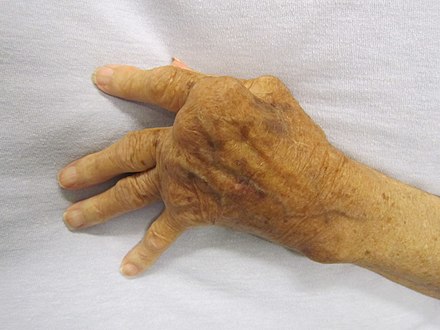
Completely curing arthritis using a combination of neurotherapy, neuromodulation therapy, neurobiomarkers, and synthetic stem cell therapy is an ambitious goal. While these approaches show promise individually, there is no definitive scientific evidence yet to suggest they can completely cure arthritis. However, combining these advanced methods could theoretically address the root causes, symptoms, and regeneration needs associated with arthritis. Here’s how each approach might contribute:
1. Neurotherapy and Neuromodulation Therapy
How They Help:
Neurotherapy: Focuses on regulating the nervous system to manage symptoms like chronic pain, inflammation, and stiffness. Techniques like neurofeedback or biofeedback help rewire the brain’s pain-processing pathways.
Neuromodulation Therapy: Uses targeted stimulation (e.g., transcutaneous electrical nerve stimulation (TENS), spinal cord stimulation, or vagus nerve stimulation) to regulate pain and inflammation through neural circuits.
Scientific Basis: Chronic arthritis pain is mediated by the central and peripheral nervous systems. Neuromodulation can modulate the activity of pain pathways, reducing symptoms. Vagus nerve stimulation has been shown to reduce systemic inflammation by enhancing the anti-inflammatory reflex, which is critical in autoimmune forms like rheumatoid arthritis (RA).
2. Neurobiomarkers for Precision Medicine
How They Help: Neurobiomarkers identify specific molecular or physiological changes in the nervous system that correlate with arthritis progression. Biomarkers can help tailor therapies to the individual, ensuring more effective treatment.
Scientific Basis: Biomarkers like cytokines (e.g., TNF-α, IL-6), nerve growth factor (NGF), or substance P are implicated in arthritis-related inflammation and pain. Monitoring these biomarkers can guide the application of neuromodulation or other therapies for optimal results. Using neurobiomarkers can help predict treatment outcomes, enabling precision medicine approaches that might improve the likelihood of remission.
3. Synthetic Stem Cell Therapy
How It Helps: Synthetic stem cells are designed to mimic the regenerative abilities of natural stem cells without risks like immune rejection or tumor formation.
In arthritis, synthetic stem cells could: Regenerate damaged cartilage and tissues. Modulate immune responses to prevent further damage in autoimmune arthritis. Reduce inflammation at the cellular level.
Scientific Basis: Research shows that stem cells (natural or synthetic) can: Differentiate into chondrocytes (cartilage-forming cells) to repair damaged joints in osteoarthritis. Suppress inflammatory responses by producing anti-inflammatory cytokines. Promote tissue repair and pain reduction by secreting bioactive molecules like growth factors. Synthetic stem cells can avoid ethical issues and limitations of traditional stem cell therapy, such as sourcing and scalability.
Potential Integration and Cure
When combined, these approaches could theoretically address the various aspects of arthritis as follows:
A. Pain and Inflammation Management: Neurotherapy and neuromodulation can recalibrate pain and inflammatory pathways, providing immediate symptom relief.
B. Precision Treatment: Neurobiomarkers ensure therapies target the specific molecular drivers of arthritis, minimizing trial-and-error in treatment.
C. Tissue Regeneration: Synthetic stem cell therapy addresses the root cause—joint damage—by regenerating cartilage and restoring joint function.
D. Systemic Immunomodulation: Neuromodulation and synthetic stem cells together could regulate the immune system, reducing the autoimmune attack in RA or other inflammatory arthritis types.
Scientific Challenges and Limitations
A. Complexity of Arthritis: Different types of arthritis (e.g., OA, RA, psoriatic arthritis) have distinct underlying mechanisms. A “one-size-fits-all” cure is unlikely.
B. Regenerative Challenges: While synthetic stem cell therapy shows promise, regenerating cartilage and other tissues to their original state in advanced arthritis remains a major challenge.
C. Long-term Efficacy and Safety: Neurotherapy and neuromodulation are excellent for symptom management but do not directly reverse structural damage. Similarly, synthetic stem cells need long-term validation.
D. Cost and Accessibility: Combining advanced therapies like neuromodulation and synthetic stem cells may be prohibitively expensive for widespread use.
Conclusion
A combination of neurotherapy, neuromodulation, neurobiomarkers, and synthetic stem cell therapy holds the potential to significantly improve arthritis outcomes. While each approach has a robust scientific basis, further research and clinical trials are needed to confirm their combined effectiveness as a cure. For now, these methods are best viewed as complementary strategies for managing and possibly reversing arthritis progression.