
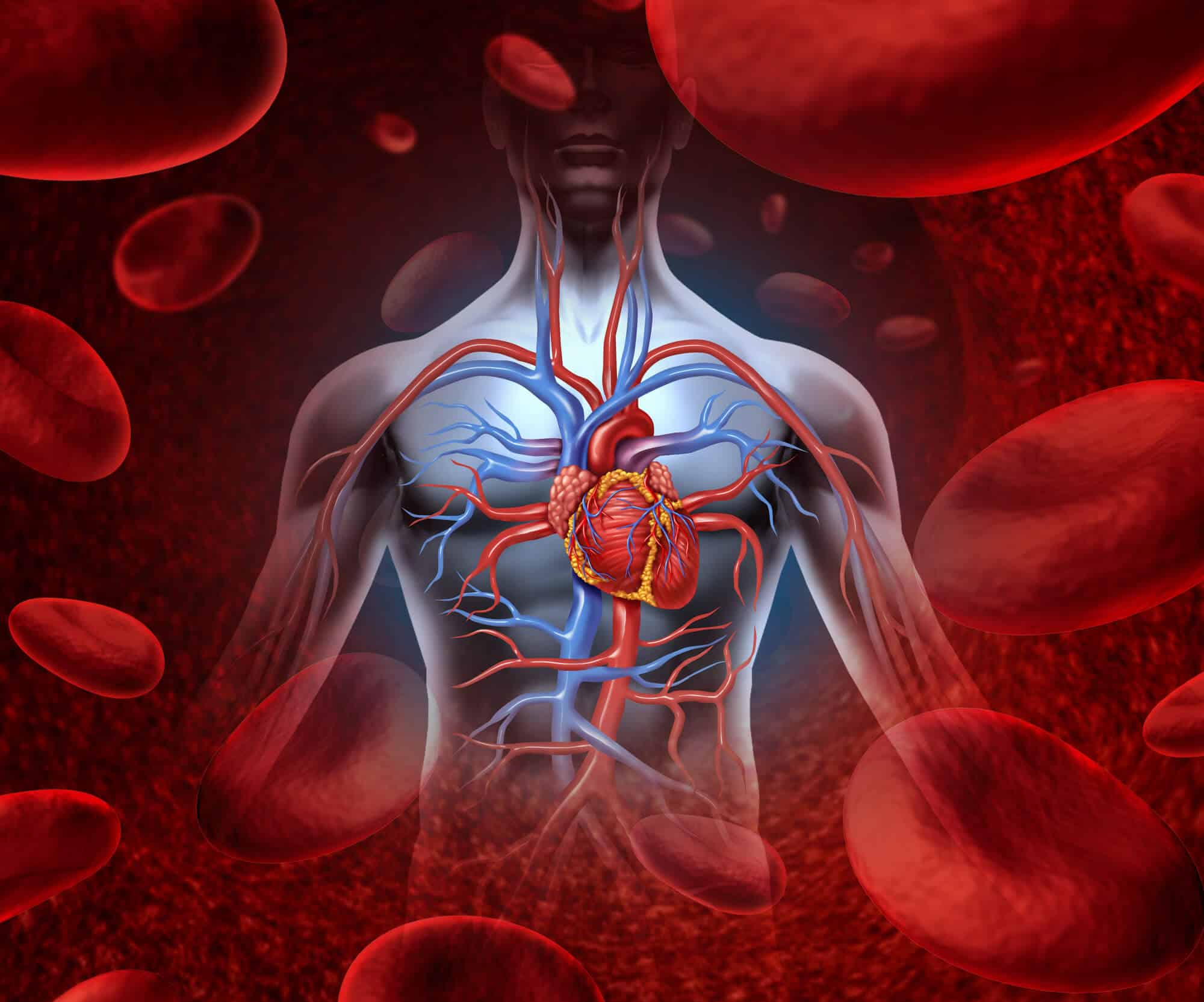
A Chronic Disease Center is a healthcare facility or department specialized in the prevention, diagnosis, treatment, and management of chronic diseases. These centers focus on improving the quality of life for patients living with long-term health conditions that cannot be cured but can be controlled.
Key Features of a Chronic Disease Center:
1. Comprehensive Care: Offers a team-based approach including physicians, dietitians, physiotherapists, and counselors.
2. Chronic Disease Management: Helps patients manage symptoms, medication, and lifestyle changes.
3. Education and Prevention: Provides resources to prevent complications and educate patients and families about managing the disease.
Which Diseases Are Included in Chronic Diseases?
Chronic diseases are long-term conditions that persist for months or years and may require ongoing medical attention. Examples include:
1. Cardiovascular Diseases: Hypertension, coronary artery disease, heart failure.
2. Respiratory Diseases: Asthma, chronic obstructive pulmonary disease (COPD).
3. Endocrine Disorders: Diabetes, hypothyroidism, hyperthyroidism.
4. Kidney Diseases: Chronic kidney disease, nephrotic syndrome.
5. Neurological Conditions: Parkinson’s disease, multiple sclerosis, epilepsy.
6. Autoimmune Disorders: Rheumatoid arthritis, lupus, Crohn’s disease.
7. Cancer: Various types, such as breast, lung, or prostate cancer.
8. Mental Health Disorders: Depression, anxiety disorders, bipolar disorder.
9. Obesity: Leading to other chronic conditions like diabetes and hypertension.
10. Chronic Pain Disorders: Osteoarthritis, fibromyalgia.
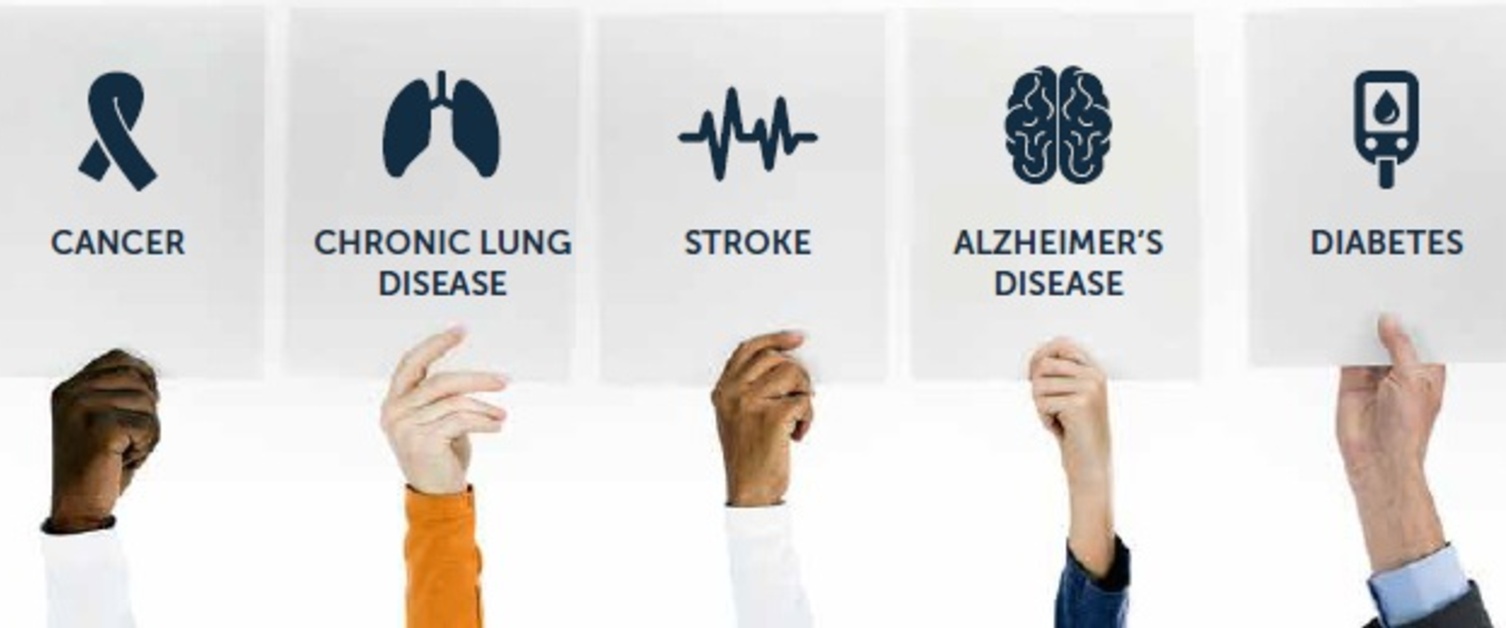
How Many Types of Chronic Diseases Are There?
There is no fixed number, but chronic diseases can be classified into several categories based on the affected system or cause:
1. Cardiovascular Diseases
2. Metabolic Disorders (e.g., diabetes, obesity)
3. Respiratory Diseases
4. Neurological Disorders
5. Autoimmune and Inflammatory Disorders
6. Cancers
7. Mental Health Disorders
8. Chronic Infectious Diseases (e.g., HIV/AIDS, tuberculosis)
Who Can Suffer From Chronic Diseases?

Chronic diseases can affect anyone, but certain factors increase the risk:
1. Age: Older adults are more likely to develop chronic conditions due to aging organs and systems.
2. Genetics: Family history of diseases like diabetes, heart disease, or cancer.
3. Lifestyle Choices:
Poor diet.
Lack of physical activity.
Smoking and alcohol consumption.
4. Environmental Factors: Exposure to pollutants, allergens, or hazardous chemicals.
5. Existing Health Conditions: Overweight, obesity, or previous infections.
6. Socioeconomic Factors: Limited access to healthcare or healthy foods.
Conclusion
A Chronic Disease Center plays a vital role in helping patients manage long-term illnesses. Chronic diseases can affect people of all ages and often stem from a combination of lifestyle, genetic, and environmental factors. Early detection, proper management, and lifestyle changes can significantly reduce the burden of these conditions.