
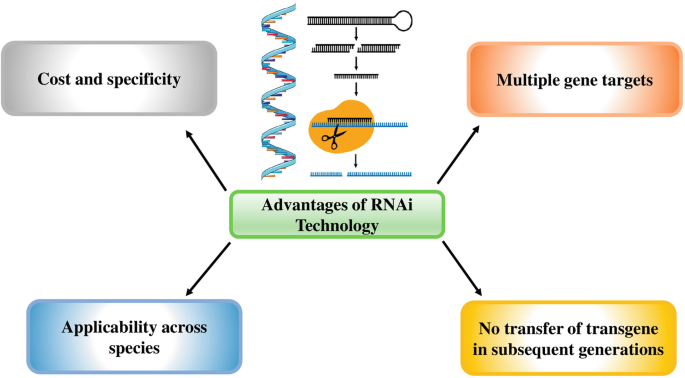
RNA interference (RNAi) therapy is a cutting-edge molecular treatment that silences specific genes involved in causing diseases. It works by targeting messenger RNA (mRNA) molecules that carry genetic instructions for the production of harmful proteins. Below is a detailed list of physical problems, disorders, diseases, syndromes, and organ failures that can potentially be treated with RNAi therapy:
1. Genetic Disorders
RNAi can suppress the expression of defective or harmful genes causing genetic disorders.
Huntington’s Disease: Progressive brain disorder with symptoms like movement difficulties and cognitive decline.
Familial Amyloid Polyneuropathy (FAP): Nerve damage caused by amyloid protein deposits.
Spinal Muscular Atrophy (SMA): Muscle weakness and atrophy caused by genetic mutations.
2. Metabolic Disorders
RNAi targets genes involved in metabolism to regulate harmful protein levels.
Hypercholesterolemia (High Cholesterol): Excess LDL cholesterol due to genetic mutations (e.g., PCSK9).
Lipoprotein(a) Disorders: Elevated lipoprotein(a) levels associated with cardiovascular diseases.
Gaucher Disease: Fat accumulation in organs due to enzyme deficiency.
3. Cancer
RNAi therapies are designed to silence genes promoting tumor growth, angiogenesis, or drug resistance.
Liver Cancer (Hepatocellular Carcinoma): Excessive cell proliferation and tumor development.
Lung Cancer: Overexpression of oncogenes like KRAS or EGFR.
Ovarian Cancer: Mutations in genes causing chemoresistance or metastasis.
4. Infectious Diseases
RNAi can suppress viral or bacterial gene expression to reduce infection severity.
Hepatitis B and C: Persistent viral infections causing liver damage and cancer risk.
HIV/AIDS: Silencing HIV replication genes to reduce viral load.
Influenza: Targeting viral proteins to inhibit viral spread.
COVID-19: RNAi targeting SARS-CoV-2 viral proteins (e.g., spike protein).
5. Neurological Disorders
RNAi targets harmful proteins in the brain associated with neurodegeneration.
Alzheimer’s Disease: Silencing amyloid beta or tau proteins involved in plaque formation.
Parkinson’s Disease: Reducing alpha-synuclein protein aggregation in neurons.
Amyotrophic Lateral Sclerosis (ALS): Inhibiting toxic protein production from mutated genes.
6. Autoimmune and Inflammatory Diseases
RNAi can downregulate inflammatory cytokines or immune signals causing tissue damage.
Rheumatoid Arthritis: Reducing inflammatory cytokines like TNF-alpha.
Inflammatory Bowel Disease (IBD): Targeting pro-inflammatory genes in Crohn’s disease or ulcerative colitis.
Psoriasis: Reducing overactive immune responses causing skin cell overproduction.
7. Cardiovascular Diseases
RNAi therapies regulate genes responsible for cholesterol metabolism, inflammation, and vascular damage.
Atherosclerosis: Lowering LDL cholesterol and reducing plaque formation.
Cardiac Hypertrophy: Targeting genes causing excessive heart muscle growth.
Thrombosis (Blood Clots): Silencing clot-promoting proteins like Factor XI.
8. Rare Diseases
RNAi is particularly valuable for rare diseases with well-identified genetic causes.
Transthyretin Amyloidosis (ATTR): Preventing accumulation of transthyretin protein.
Porphyria: Silencing genes involved in excessive production of heme precursors.
Hereditary Angioedema (HAE): Regulating proteins causing episodic swelling.
9. Eye Disorders
RNAi can suppress harmful gene expression in retinal cells to treat progressive vision loss.
Age-Related Macular Degeneration (AMD): Targeting VEGF to reduce abnormal blood vessel growth.
Retinitis Pigmentosa: Silencing mutated genes responsible for retinal degeneration.
Diabetic Retinopathy: Reducing inflammation and abnormal blood vessel growth.
10. Kidney Disorders
RNAi can reduce damaging protein production and inflammation in kidney diseases.
Chronic Kidney Disease (CKD): Regulating fibrosis and inflammatory genes.
Polycystic Kidney Disease (PKD): Suppressing genes driving cyst formation in kidneys.
Alport Syndrome: Targeting genes causing basement membrane abnormalities.
11. Liver Disorders
RNAi can effectively target liver cells (hepatocytes) to treat metabolic and genetic liver diseases.
Non-Alcoholic Fatty Liver Disease (NAFLD): Reducing fat accumulation in liver cells.
Hemophilia: Treating genetic clotting factor deficiencies using RNAi.
Alpha-1 Antitrypsin Deficiency: Silencing mutant proteins causing liver damage.
12. Pulmonary Disorders
RNAi therapies regulate genes contributing to lung inflammation or fibrosis.
Cystic Fibrosis: Silencing mutant CFTR genes causing thick mucus production.
Pulmonary Fibrosis: Reducing fibrotic protein production in lung tissues.
Chronic Obstructive Pulmonary Disease (COPD): Targeting inflammatory cytokines.
13. Musculoskeletal Disorders
RNAi can slow disease progression and reduce tissue damage.
Osteoarthritis: Reducing cartilage-degrading enzymes like MMPs.
Duchenne Muscular Dystrophy: Silencing mutant dystrophin genes.
14. Blood Disorders
RNAi therapy modulates defective gene expression to restore normal blood function.
Thalassemia: Suppressing excess alpha or beta globin production.
Sickle Cell Disease: Modulating hemoglobin gene expression.
15. Organ Failures
RNAi helps mitigate organ damage by reducing harmful protein accumulation.
Liver Failure: Suppressing pro-inflammatory or fibrotic proteins.
Kidney Failure: Preventing progression of fibrosis and inflammation.
Heart Failure: Reducing proteins causing cardiac remodeling or stress.
Conclusion
RNAi therapy holds immense potential in treating a wide array of chronic conditions and organ-specific diseases by targeting specific genes with precision. Its efficacy and safety depend on advancements in delivery mechanisms and gene-silencing strategies. RNAi therapy is not yet universally available and is primarily used in clinical trials or for specific approved treatments.